

The idea of “global culture” has always been an intriguing one, evolving over centuries as humanity’s interconnections grew through trade, migration, and technology. But never before has this notion been so profoundly shaped by an invisible yet omnipresent force: social media. Platforms like Facebook, Instagram, TikTok, and Twitter have not only reshaped how we communicate and interact, but have also transformed our cultural identities and what it means to be “global.”
In the age of social media, we’re all part of a vast, interconnected ecosystem where borders seem increasingly irrelevant, and cultural exchange is almost instantaneous. Yet, in this apparent cultural melting pot, the very concept of a “global culture” is simultaneously challenged and enriched. The digital age has given rise to a new era of cultural consumption and production—one that is fast, fragmented, and often fleeting. But what does this all mean? How do we define a “global culture” today, and what role does social media play in this transformation?
The Rise of the Digital Global Village
Before the advent of social media, the concept of global culture was often associated with Western dominance—Hollywood movies, pop music, and fast food were symbols of globalization. But with the rise of social media, the narrative shifted. Today, “global culture” is not just about Western influences spreading worldwide but about the free-flowing exchange of ideas, trends, and values between people from all corners of the globe.
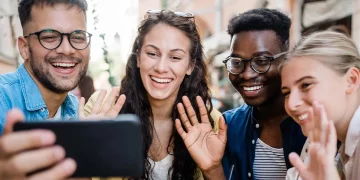
Social media platforms have essentially created a “global village,” where individuals, regardless of their geographical location, can share their experiences, ideas, and cultures with anyone, anywhere. Facebook allows people to connect with old friends from across the world, Instagram lets us peek into the daily lives of people in other countries, and Twitter fosters real-time conversations that transcend time zones and nationalities. TikTok, perhaps more than any other platform, exemplifies how global culture is no longer about what one group of people consumes but rather how ideas and trends can go viral globally—often in the span of hours.
But this global village is not without its challenges. Social media has made the world more interconnected, but it has also highlighted stark cultural divides. While we are more exposed to diverse cultural practices, our own biases and preconceptions remain just as strong. Social media platforms amplify both the unifying forces of globalization and the divisive forces of nationalism, identity politics, and cultural appropriation.
Digital Natives and the Shifting Definition of “Culture”
When discussing “global culture,” we must also consider how culture itself is being redefined in the digital age. Traditionally, culture was something rooted in tangible things: language, art, food, music, and customs. But in the social media age, culture is increasingly intangible, shaped by digital interactions and the flow of information. It’s no longer just about the traditions passed down through generations; it’s also about the memes, hashtags, viral challenges, and trends that emerge and disappear at lightning speed.
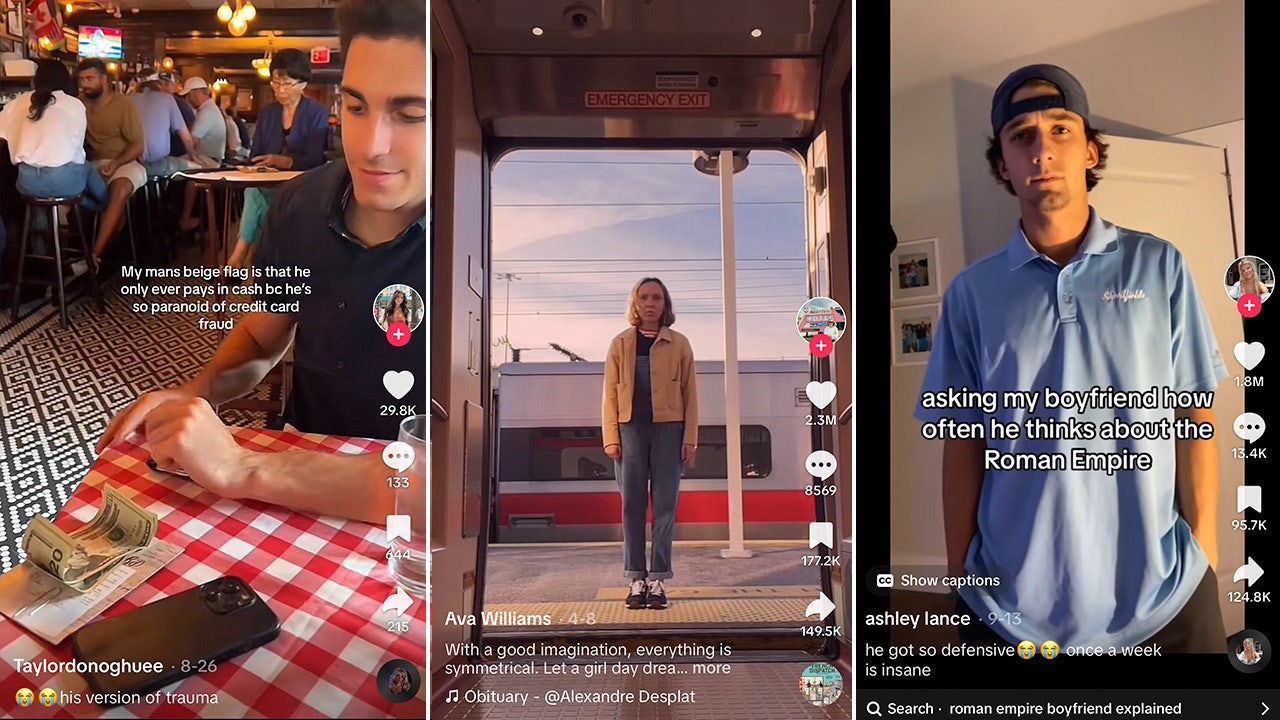
The concept of “digital natives” plays a central role here. Younger generations—those who have grown up with smartphones, social media, and constant connectivity—have a fundamentally different relationship with culture than their predecessors. For them, culture is not something passed down from the past but something that is co-created in real-time, constantly evolving. A TikTok dance that goes viral in one corner of the world might be adapted and remixed by people on the other side of the globe within days, creating a new cultural phenomenon.
This fluidity is one of the defining characteristics of a global culture in the age of social media. Cultural boundaries are no longer rigid. They’re porous, adaptable, and open to constant change. The act of cultural exchange is no longer a one-way process where dominant cultures influence others; it’s an ongoing, multidirectional conversation where everyone has a voice.
The Power of Hashtags and Viral Content
One of the most fascinating aspects of social media’s influence on global culture is the phenomenon of viral content. Social media platforms have enabled ideas to spread like wildfire, sometimes in ways that defy reason or logic. Hashtags like #MeToo, #BlackLivesMatter, or #ClimateStrike have become global rallying cries, transcending national borders and giving voice to movements that might otherwise have remained localized. These viral movements have reshaped political discourse, influenced social justice campaigns, and given power to grassroots activism on an unprecedented scale.
Viral content, in many ways, has come to symbolize the democratizing force of social media. Anyone with an internet connection can now contribute to the global conversation. A teenager in the Philippines can become a global influencer, just as easily as someone from New York, London, or Tokyo. The power to shape global culture is no longer concentrated in the hands of a few media conglomerates but is dispersed across millions of individuals.
But the viral nature of social media content also brings a darker side to the definition of global culture. Fake news, misinformation, and hate speech can spread just as quickly as positive messages and important social movements. This makes it all the more difficult to distinguish what is truly reflective of global culture and what is merely an illusion, manufactured by algorithms designed to maximize engagement.
Cultural Appropriation or Cultural Exchange?
The conversation about global culture on social media also inevitably touches on the issue of cultural appropriation. As cultural products—whether it be fashion, music, or food—travel across the world through platforms like Instagram, there’s an ongoing debate about the fine line between cultural exchange and exploitation.
Cultural appropriation occurs when elements of one culture are taken, often without understanding or respect, by individuals or groups from a different culture. In the age of social media, we’ve seen numerous instances of cultural appropriation, from influencers wearing traditional clothing without acknowledging its cultural significance to celebrities adopting Indigenous hairstyles or spiritual practices as trends.
Yet, the boundaries between cultural appropriation and cultural exchange are not always clear-cut. Social media, for all its flaws, has also allowed for unprecedented dialogue about these issues. Many social media users, particularly those from marginalized communities, have used platforms to raise awareness about cultural appropriation, educate others, and advocate for respect and understanding. The conversations sparked on social media can lead to greater global awareness and, in some cases, positive change.
Personal Identity in a Globalized World
In the context of global culture, one of the most intriguing questions is how individuals navigate their personal identities. With social media’s reach, people can now engage with multiple cultures, sometimes simultaneously. A person from Brazil might be just as influenced by K-pop as they are by local music or traditions from their own country. A teenager in India might find their role models in Hollywood stars and influencers from across the world.
This blending of influences is creating a new, hybrid sense of identity. People no longer identify solely with the culture of their nation or region but instead with a much broader, more fluid set of influences drawn from across the globe. This is both an opportunity and a challenge. While it allows for greater freedom of expression and a richer, more diverse sense of self, it also raises questions about the impact on local traditions and identities. Are we losing touch with our roots as we become more immersed in a globalized digital world? Or is this just the natural evolution of culture?
The Future of Global Culture
As we look ahead, it’s clear that social media will continue to shape global culture in ways we can’t fully predict. The rise of AI, virtual reality, and augmented reality may take cultural exchange to new, immersive heights. Platforms may evolve, new trends will emerge, and global conversations will take new forms. But one thing is certain: the lines between local and global will continue to blur, and the concept of culture will remain more fluid than ever.
At the same time, we must remain mindful of the complexities and contradictions that come with this new global culture. While social media has made the world more connected, it has also exposed deep divides. Nationalism, racism, and inequality are still very much present, and social media can sometimes amplify these issues. The way forward will require not only the embrace of cultural diversity but also the cultivation of empathy, respect, and understanding in an increasingly digital world.
In the end, the “global culture” defined by social media is not a monolithic entity, but rather a dynamic, constantly evolving conversation that reflects the myriad voices, values, and influences of the people who shape it.