








The world has undergone profound changes over the past few years. The COVID-19 pandemic forced us into isolation, disrupted global economies, and reshaped our way of life. Travel, once a universal joy and a hallmark of personal freedom, became a forbidden activity, locked away by closed borders, safety concerns, and travel restrictions. However, as the dust settles and the world begins to reopen, there’s a question that lingers: What is the true value of “wanderlust” in a post-pandemic world?
Before we answer that question, let’s first define what we mean by wanderlust. It’s not simply the desire to travel—it’s a deeper yearning for exploration, a curiosity to understand different cultures, landscapes, and experiences. It’s the magnetic pull toward new horizons, a longing that drives people to cross borders, both geographical and cultural. Wanderlust has always been more than a mere escape from the mundane; it has been a path to personal growth, a search for connection, and an invitation to embrace the unknown.
In this article, we’ll explore the evolving nature of wanderlust in the aftermath of the pandemic. We’ll discuss how people’s relationship with travel has changed, what new values have emerged, and how wanderlust can shape not only the individual but also the world around us.
1. A New Perspective on Travel
In the pre-pandemic world, travel was often associated with luxury, adventure, or business. People hopped on planes for leisure, weekend getaways, work conferences, or family visits. It was easy to take for granted the freedom to explore the world at will. The pandemic, however, upended this routine in ways we never imagined. The sudden and widespread lockdowns led to the shutdown of airports, the cancellation of flights, and the closure of borders. Travel became a distant dream for most people.
But as the world slowly began to recover and vaccination rates increased, there was a collective sigh of relief. Travel returned—not immediately to its pre-pandemic levels, but with a different flavor. People began to reframe what it meant to travel, and what it truly meant to have wanderlust.
For many, the pandemic highlighted how quickly life could change, how fragile our daily routines were, and how precious time truly is. Travel became less about the destination and more about the act of being present, exploring new territories, and reconnecting with a world that was no longer guaranteed to stay the same. The true value of wanderlust, in this context, became a journey of self-discovery and personal enrichment.
2. Rediscovering the Value of Local and Regional Travel
While international travel is slowly recovering, one of the most significant changes in the post-pandemic world is the rise of local and regional travel. As borders remained closed and people became more conscious of the risks associated with long-haul flights, many turned their attention to exploring closer to home.

The pandemic revealed the richness of our local environments—places we had previously overlooked in our rush to visit distant countries. National parks, nearby towns, and nature reserves became the focal point of wanderlust. For those who once dreamed of visiting foreign lands, now, the idea of hiking through a nearby forest or taking a road trip to a neighboring city seemed just as rewarding.
This trend also reflects a growing desire to “slow travel.” Instead of rushing from one tourist hotspot to another, people are embracing more mindful travel experiences. There’s an increasing emphasis on connecting with local cultures, supporting small businesses, and engaging in sustainable travel practices. The value of wanderlust, in this context, is not in the distance traveled but in the connections made and the experiences shared along the way.
3. Sustainable and Responsible Travel: A Post-Pandemic Necessity
Another shift in the post-pandemic travel landscape is a heightened awareness of sustainability. Before the pandemic, over-tourism was a significant problem, with popular destinations suffering from the strain of excessive tourism. The environmental toll of mass tourism—carbon emissions, pollution, and the destruction of natural habitats—was a growing concern. But in the post-pandemic world, people are reassessing the true cost of their wanderlust.
Sustainable travel has gained prominence, with travelers seeking to minimize their impact on the environment. From choosing eco-friendly accommodations to reducing carbon footprints by opting for trains or electric vehicles, travelers are becoming more conscious of their environmental responsibilities.
Moreover, there’s been a rise in “regenerative tourism”—a concept that goes beyond sustainability to include efforts to restore and improve the ecosystems and communities visited. This shift in thinking is also reflected in the types of travel experiences that are growing in popularity: wildlife conservation projects, community-based tourism initiatives, and trips that focus on environmental education.
The pandemic has accelerated this trend. As people have had time to reflect on their relationship with the planet, many are determined to travel in a way that contributes positively to the world. Wanderlust, in this sense, is no longer just about satisfying a personal desire; it’s also about fostering a sense of responsibility for the planet and its inhabitants.
4. Digital Nomadism: A New Age of Freedom
Another phenomenon that has emerged in the wake of the pandemic is the rise of digital nomadism. Remote work became the norm for millions during the pandemic, and for many, this shift is now permanent. No longer bound to a traditional office setting, workers now have the freedom to live and work from anywhere in the world.

This has profoundly impacted the way people think about travel. Wanderlust is no longer confined to a two-week vacation or a weekend getaway. Instead, it has become intertwined with work, with people taking advantage of their newfound flexibility to live in different countries, explore new cultures, and create meaningful experiences while still earning a living.
Digital nomads have become a key demographic for the travel industry, prompting countries to offer special visas for remote workers and companies to provide more location-independent jobs. For many, the true value of wanderlust in this context lies in the ability to blend work and travel seamlessly, creating a lifestyle that is dynamic, flexible, and full of possibility.
5. The Healing Power of Travel
Beyond the personal and environmental benefits, wanderlust in a post-pandemic world is also about healing. The isolation, stress, and uncertainty that accompanied the pandemic left many people with a deep sense of loss and a desire for renewal. Travel, in its truest sense, can be a balm for the soul.
The act of traveling to new places, experiencing different cultures, and meeting new people has a profound effect on mental well-being. It breaks the monotony of everyday life, sparks creativity, and provides a much-needed break from the pressures of work and personal life. In many ways, travel is a form of therapy—a way to reset, recharge, and reconnect with oneself.
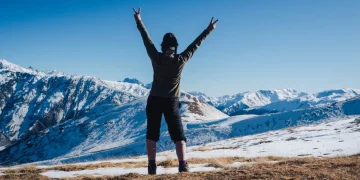
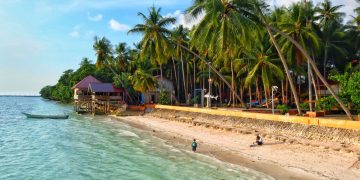
In the aftermath of the pandemic, this healing power of travel is more important than ever. Whether it’s taking a solitary hike through the mountains, enjoying a cultural exchange in a distant land, or simply relaxing on a quiet beach, the act of wandering is a powerful antidote to the collective trauma we’ve all experienced.
6. A Return to Authenticity and Connection
Finally, wanderlust in a post-pandemic world is about authenticity. For many, the pandemic has been a time of reflection—about what truly matters in life, what brings joy, and how to live with intention. As the world opens up again, there is a renewed desire to seek out genuine experiences and authentic connections.
Travel, in this context, becomes a tool for personal growth. People are moving away from the superficial “checklist” mentality of visiting tourist sites and instead seeking deeper, more meaningful connections with the places they visit. This could mean spending time with local artisans, participating in cultural rituals, or volunteering in a community.
The true value of wanderlust, in this sense, is not just in the places we visit but in the people we meet and the connections we form along the way. Travel, at its core, is about fostering empathy, understanding, and appreciation for the diversity of human experience.
Conclusion: The Enduring Allure of Wanderlust
In the post-pandemic world, the true value of wanderlust has evolved. It’s no longer about simply escaping to far-off destinations; it’s about personal growth, environmental responsibility, cultural exchange, and healing. The pandemic has forced us to reconsider the meaning of travel, to rethink our priorities, and to find deeper connections with the world around us.
As we continue to recover from the effects of the pandemic, wanderlust remains as potent as ever. It’s a yearning that transcends borders, a desire for exploration, and a longing for connection. In a world that has been forever changed, the value of wanderlust is not just in the places we visit but in the ways it enriches our lives, our relationships, and our planet.