










In today’s fast-paced world, high-performing individuals—whether they are executives, athletes, artists, or entrepreneurs—are expected to juggle multiple responsibilities and maintain peak productivity. With deadlines, high expectations, and the constant pull of new opportunities, the pressure can often become overwhelming. But what if the secret to achieving sustained success lies not in doing more, but in doing less? What if the key to unlocking creativity, improving decision-making, and enhancing overall performance is mindfulness?
Mindfulness, the practice of being fully present and engaged in the moment, offers a powerful antidote to the stress and distractions that come with high performance. It’s not just a trend; it’s a scientifically-backed tool that can transform the way high-performers work, live, and lead. In this article, we’ll explore why mindfulness matters for high-performers and how it can help you thrive in today’s demanding world.
The Science Behind Mindfulness
Before diving into its practical benefits for high-performers, let’s first understand what mindfulness is and how it works. At its core, mindfulness involves focusing your attention on the present moment without judgment. It’s about tuning out distractions and becoming acutely aware of your thoughts, feelings, and physical sensations as they arise.
Research has shown that mindfulness can have significant benefits for the brain and body. It can reduce the production of cortisol, the stress hormone, and enhance areas of the brain associated with emotional regulation, decision-making, and focus. Specifically, mindfulness practices have been linked to increased gray matter in the prefrontal cortex (the area of the brain responsible for executive functions), reduced activity in the default mode network (the brain’s “mind-wandering” circuit), and improved connectivity between brain regions that help with problem-solving and emotional regulation.
But what does all of this mean for high-performers?
1. Boosting Focus and Productivity
For high-performers, the ability to focus deeply on a single task is one of the most valuable skills. The constant barrage of emails, meetings, phone calls, and social media notifications can fragment attention and make it difficult to stay engaged with the task at hand. Mindfulness helps combat this challenge by training the brain to return to the present moment whenever distractions arise.
With regular practice, mindfulness enhances attention span and sharpens focus. It allows high-performers to enter a “flow state”—a state of optimal performance where time seems to disappear, and they feel fully immersed in their work. This increased focus leads to higher efficiency and productivity, allowing individuals to accomplish more in less time, without the mental fatigue that often accompanies multitasking.

2. Enhancing Decision-Making
High-performers are often faced with complex, high-stakes decisions that can have significant consequences. In these moments, the ability to remain calm, clear-headed, and rational is critical. Mindfulness can play a key role in improving decision-making by promoting emotional regulation and reducing impulsivity.
When we are under stress, our emotional reactions can cloud our judgment, leading us to make hasty or suboptimal decisions. Mindfulness helps mitigate this by encouraging a non-reactive awareness of our thoughts and emotions. Instead of making decisions based on fear, anxiety, or pressure, mindful high-performers are better able to approach challenges with a calm and balanced perspective.
Studies have shown that mindfulness practice leads to improved executive function, which includes better problem-solving abilities, logical thinking, and strategic planning. In fact, research conducted on business leaders suggests that mindfulness training can improve their decision-making and leadership skills, resulting in more effective and sustainable outcomes.
3. Reducing Stress and Preventing Burnout
One of the most significant challenges for high-performers is the ever-present risk of burnout. The drive to achieve and maintain excellence can take a toll on mental and physical health if not carefully managed. High-stress levels, coupled with a relentless workload, can quickly lead to exhaustion, overwhelm, and decreased performance.
Mindfulness offers a powerful tool for managing stress. By practicing mindfulness, individuals can activate the parasympathetic nervous system—the body’s “rest and digest” system—which counteracts the effects of stress and reduces the physiological responses to anxiety. Regular mindfulness practice lowers blood pressure, heart rate, and cortisol levels, all of which help combat stress.
Moreover, mindfulness encourages self-compassion and helps individuals reconnect with their intrinsic motivations, fostering a sense of purpose and well-being that can act as a buffer against burnout. High-performers who embrace mindfulness are less likely to experience the mental and emotional exhaustion that often accompanies their demanding roles.
4. Increasing Emotional Intelligence and Resilience
Emotional intelligence (EQ) is a key component of effective leadership and success. It involves the ability to recognize and manage one’s own emotions while empathizing with the emotions of others. High-EQ individuals are better at navigating complex social dynamics, building strong relationships, and fostering collaboration in the workplace.
Mindfulness enhances emotional intelligence by cultivating awareness of emotional patterns and triggers. Through regular practice, high-performers can develop greater self-awareness, enabling them to respond more thoughtfully to emotional situations instead of reacting impulsively. This self-awareness also extends to others, improving empathy and social awareness, which are essential skills for building trust and rapport with colleagues, clients, and team members.
Additionally, mindfulness boosts resilience—the ability to recover from setbacks, adapt to change, and stay optimistic in the face of adversity. By cultivating a non-judgmental awareness of both successes and failures, mindfulness enables high-performers to approach challenges with greater emotional stability and mental toughness.
5. Fostering Creativity and Innovation
Innovation is often the result of combining existing ideas in novel ways. But creative thinking can be stifled when the mind is cluttered with stress, distractions, and competing demands. Mindfulness helps to clear the mental fog and create space for creativity to flourish.
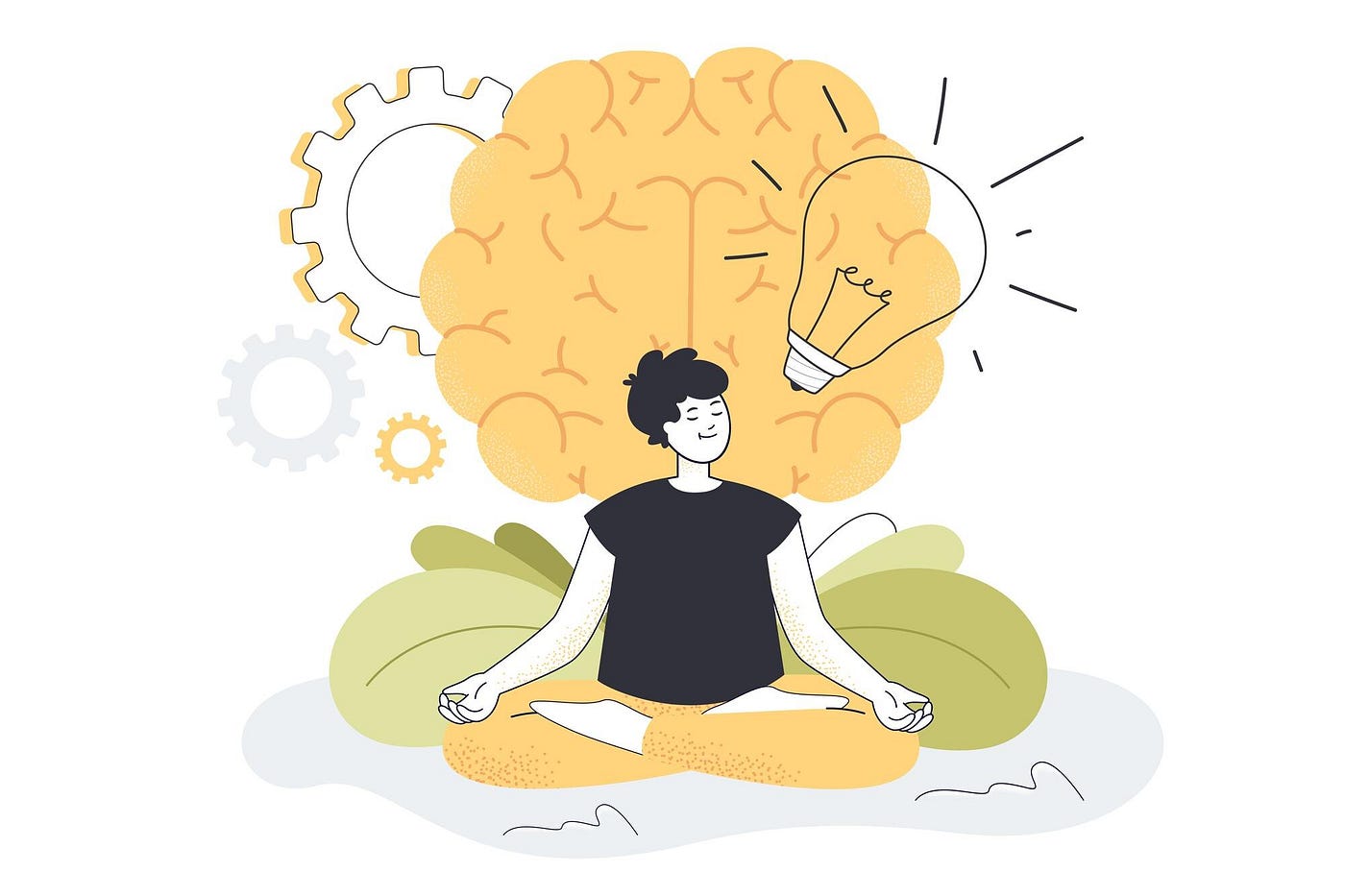
The practice of mindfulness encourages divergent thinking—the ability to generate multiple, original ideas in response to a problem. It allows high-performers to step outside of habitual thought patterns and see challenges from new perspectives. Furthermore, mindfulness promotes a “beginner’s mind”—an open, curious, and non-judgmental approach to experiences, which can help unlock fresh, innovative solutions.
Research has shown that mindfulness meditation can enhance creative problem-solving by increasing cognitive flexibility and enabling individuals to access new insights. In high-pressure environments where innovation is crucial for success, mindfulness can be the spark that drives breakthrough ideas.
6. Improving Leadership and Interpersonal Skills
Mindfulness is not only beneficial for individual performance but also for team dynamics and leadership. High-performers who practice mindfulness are better equipped to lead with clarity, empathy, and authenticity. By staying grounded in the present moment, mindful leaders can navigate complex interpersonal situations with poise and wisdom.
Mindfulness enhances the ability to listen actively and respond thoughtfully—key traits for building strong, collaborative teams. It also reduces the likelihood of making decisions based on assumptions or biases, promoting a more inclusive and transparent leadership style. Moreover, mindfulness encourages leaders to model self-care and resilience, fostering a culture of well-being and psychological safety within their organizations.
7. Integrating Mindfulness Into a High-Performance Lifestyle
For busy high-performers, the idea of incorporating mindfulness into their routines may feel daunting. However, mindfulness doesn’t require hours of meditation or a complete overhaul of daily habits. Small, intentional changes can make a significant impact.
Here are a few practical ways high-performers can integrate mindfulness into their lives:
- Mindful Breathing: Take short breaks throughout the day to practice deep, mindful breathing. Even just 2-3 minutes of focused breathing can help calm the mind and improve focus.
- Mindful Listening: Practice being fully present during conversations. Listen without interrupting, and give your full attention to the speaker.
- Mindful Movement: Incorporate mindful movement into your routine, whether it’s yoga, walking, or stretching. Focus on your body’s sensations as you move, bringing your awareness to the present moment.
- Single-Tasking: Instead of multitasking, try focusing on one task at a time. Eliminate distractions and give your full attention to the task at hand.
- Mindful Reflection: At the end of each day, take a few minutes to reflect on your experiences with mindfulness. Notice how it affected your performance, emotions, and interactions.
Conclusion
Mindfulness is not a luxury or a fleeting trend—it is a powerful tool for high-performers looking to enhance their well-being, productivity, and overall success. By cultivating a mindful approach to work and life, high-performers can sharpen their focus, make better decisions, manage stress more effectively, and unlock their creative potential. In a world that often values hustle and constant output, mindfulness offers a path to sustainable high performance—one that is rooted in clarity, balance, and resilience.
By embracing mindfulness, high-performers can not only achieve more but also enjoy the process, leading to greater fulfillment and long-term success.