









In the fast-paced world we live in today, the constant juggling of work, personal commitments, and societal expectations can often feel overwhelming. Amidst this whirlwind, people are increasingly searching for ways to reclaim a sense of calm and focus. Enter minimalism — a lifestyle that advocates for simplicity, intentionality, and a deep focus on what truly matters. Could embracing minimalism be the secret to leading a stress-free life?
In this article, we will explore how minimalism can help reduce stress, its benefits, and how to implement it in various aspects of your life. By the end, you may find yourself considering a more minimalist approach to living, one that prioritizes peace, clarity, and well-being over excess.
What is Minimalism?
Minimalism is often misunderstood as merely a way to declutter one’s home or wardrobe. While decluttering is a crucial part of minimalism, the concept extends far beyond physical possessions. At its core, minimalism is about intentional living — focusing on what brings value to your life and eliminating distractions that contribute to stress and overwhelm.
It’s a philosophy that encourages you to prioritize experiences, relationships, and personal growth over the accumulation of material possessions. By embracing minimalism, you can create more room in your life for the things that truly matter, allowing for increased clarity, balance, and peace of mind.
The Link Between Minimalism and Stress Reduction
Stress, in its various forms, is one of the leading causes of mental and physical health issues today. Whether it’s the constant pressure to perform at work, maintain a busy social schedule, or manage financial stress, the burden of modern life can leave us feeling drained and anxious.
How Minimalism Addresses Stress
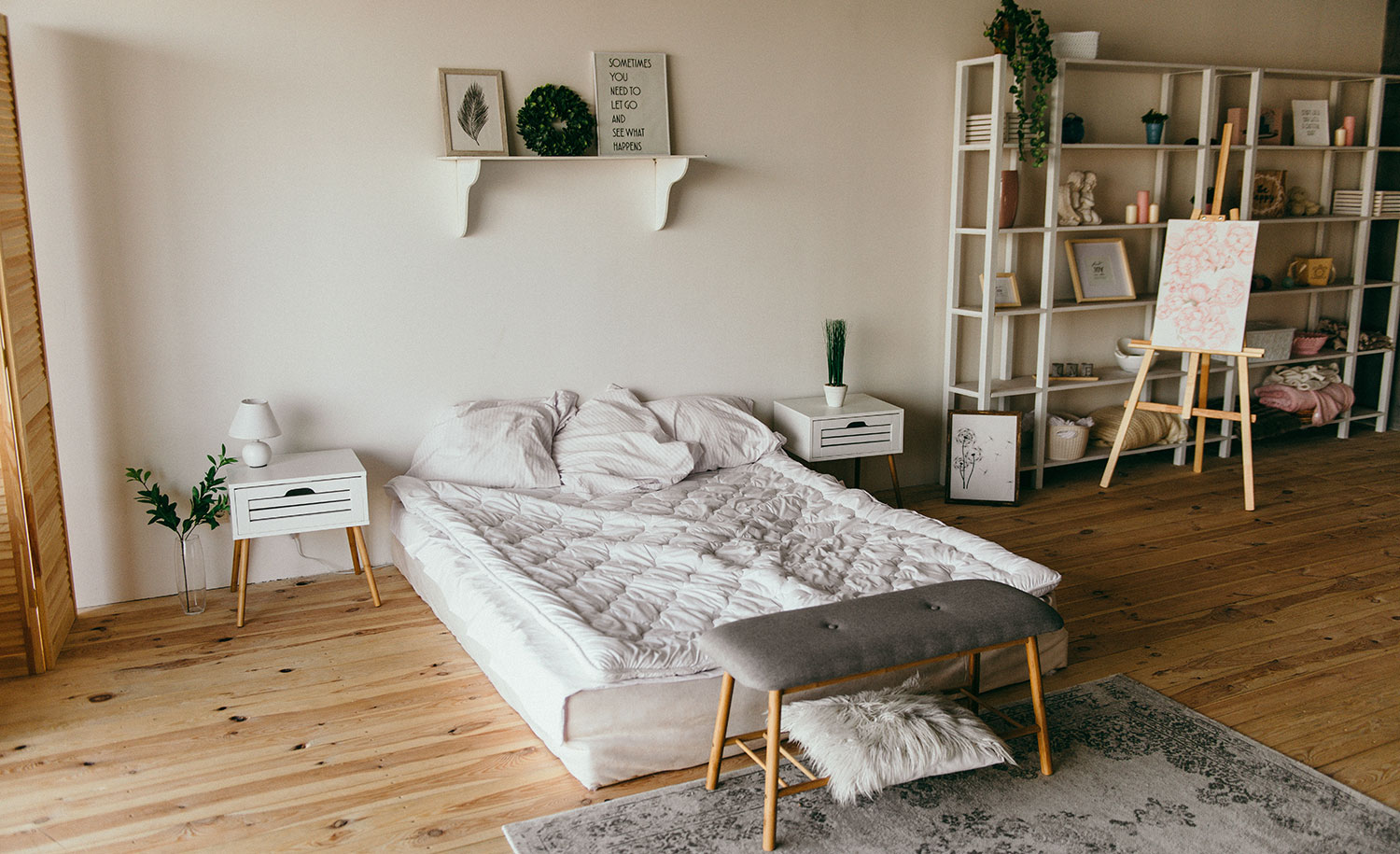
- Reduction of Physical Clutter Physical clutter has been shown to increase feelings of stress and anxiety. The more possessions you have, the more mental energy is spent maintaining, organizing, and worrying about them. A cluttered environment can create a sense of chaos and overwhelm, leading to higher levels of stress. Minimalism, with its emphasis on decluttering, directly addresses this issue. By reducing the number of possessions you own and creating a more organized living space, you can reduce visual noise and create an environment that feels calm, ordered, and soothing.
- Fewer Decisions, Less Stress Research suggests that the more choices we have, the more stressed and overwhelmed we become. This phenomenon, known as decision fatigue, occurs when our brains become fatigued by the constant need to make decisions. From choosing what to wear to deciding what to eat, the more decisions we face daily, the more our mental resources are depleted. Minimalism helps by simplifying these decisions. By owning fewer clothes, possessions, and commitments, you reduce the need to constantly evaluate and choose. For example, a minimalist wardrobe — often referred to as a capsule wardrobe — limits the number of clothing items, making it easier to select outfits each day without stress. Similarly, a decluttered home means fewer items to manage, clean, or worry about.
- Time for What Matters Most In a world where time is often stretched thin, minimalism allows you to make space for what truly matters. By eliminating unnecessary tasks, possessions, and distractions, you free up time for self-care, hobbies, relationships, and rest — all of which are essential for reducing stress. Minimalism encourages you to assess where your time is going and cut back on commitments that don’t align with your values or bring you joy. Whether it’s a weekly commitment that drains your energy or a social obligation that doesn’t serve your well-being, minimalism invites you to reassess and prioritize.
- Mental Clarity By focusing on fewer, more meaningful activities and possessions, minimalism provides mental clarity. Without the constant distractions of excess, you can hone in on your goals, values, and priorities. This clarity brings peace of mind, making it easier to navigate challenges and make decisions that are aligned with your long-term vision. When your mind is not bogged down by unnecessary clutter and distractions, you are better equipped to stay calm under pressure, think critically, and engage fully in the present moment.
The Benefits of a Minimalist Lifestyle
While the idea of minimalism may seem extreme to some, its benefits are undeniable. Here are just a few of the ways embracing minimalism can improve your life:
1. Improved Mental Health
As we’ve seen, reducing clutter and simplifying your life can lead to significant improvements in mental health. Studies have found that living in a cluttered environment can increase levels of anxiety and even contribute to feelings of depression. By choosing to embrace minimalism, you create a space that supports mental well-being.
2. Financial Freedom
Minimalism encourages mindful consumption. Instead of constantly buying the latest trends or accumulating possessions you don’t need, minimalism helps you focus on what truly adds value to your life. By spending less on material goods, you can save more money, eliminate debt, and experience greater financial freedom — all of which reduce stress in the long run.
3. Sustainable Living
Minimalism also promotes a more sustainable way of living. By buying less, you not only reduce waste but also contribute to a more environmentally-friendly lifestyle. With concerns over climate change and the depletion of natural resources, minimalist living encourages us to consume responsibly and make mindful choices that support a healthier planet.
4. Increased Creativity and Productivity
When your life is simpler and free from distractions, your mind is free to explore new ideas, projects, and passions. Minimalism can help remove the mental clutter that stifles creativity, leading to greater productivity in both your personal and professional life.
5. Stronger Relationships
Finally, minimalism can positively impact your relationships. By focusing less on material possessions and more on experiences and human connection, you can create stronger, more meaningful relationships. Minimalism encourages you to spend quality time with loved ones, fostering a deeper sense of connection and fulfillment.

How to Embrace Minimalism in Your Life
Now that we’ve explored the benefits of minimalism and its potential to reduce stress, let’s discuss practical steps you can take to incorporate this lifestyle into your daily life.
1. Declutter Your Space
Begin by decluttering your home or workspace. Start small — perhaps with one room or area of your house — and gradually work your way through the rest. Get rid of anything that no longer serves a purpose or brings joy. This process may take time, but it’s a crucial first step in creating a stress-free environment.
2. Adopt a Minimalist Wardrobe
A minimalist wardrobe can significantly reduce daily decision fatigue. Start by identifying clothing items that you wear often and that align with your style. Donate or sell anything that doesn’t fit, is out of season, or no longer brings you joy. Aim for a functional wardrobe that’s both stylish and practical, focusing on quality over quantity.
3. Simplify Your Schedule
Evaluate your current commitments and assess whether they align with your values and goals. If you find yourself overwhelmed by obligations, learn to say no and prioritize the activities and people that truly matter. A simpler schedule can help reduce stress and give you more time for self-care and relaxation.
4. Mindful Consumption
Embrace mindful consumption by carefully considering your purchases. Instead of buying items on impulse, ask yourself if the item truly adds value to your life. Choose quality over quantity, and focus on purchasing items that will stand the test of time.
5. Practice Gratitude
Minimalism is not just about decluttering physical space but also about decluttering your mind. Practice gratitude regularly to help shift your focus from what you lack to what you have. This shift in mindset can foster a sense of contentment and reduce stress over time.
Conclusion: Embracing Minimalism for a Stress-Free Life
Minimalism is more than just a trend — it’s a way of living that can help you achieve a stress-free, fulfilling life. By simplifying your environment, reducing unnecessary commitments, and focusing on what truly matters, you can create space for peace, clarity, and well-being.
Embracing minimalism allows you to reclaim your time, energy, and mental resources, freeing you from the distractions and burdens of excess. Whether you start by decluttering your home, adopting a minimalist wardrobe, or simplifying your schedule, each step you take toward minimalism brings you closer to a life with less stress and more joy.
Remember, minimalism isn’t about deprivation; it’s about making room for what truly enhances your life. By being intentional with your choices, you can create a life that feels meaningful, balanced, and — most importantly — stress-free.