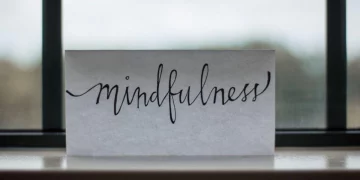










In today’s fast-paced world, urban life is synonymous with constant hustle—nonstop noise, crowded streets, buzzing traffic, and the incessant hum of technology. Amidst the chaos, many find themselves asking: Is it possible to practice mindfulness in such a fast-moving environment?
Mindfulness, a practice rooted in ancient Buddhist traditions, focuses on being present and fully engaged in the moment, without judgment. It’s often depicted as a serene practice, carried out in tranquil spaces, far from the noise and distractions of city life. But can the principles of mindfulness—stillness, attention, awareness—actually apply in the heart of a bustling metropolis? The short answer is: absolutely.
The Mindful Challenge of a Busy City
A city’s vibrant energy offers plenty of opportunities for mindfulness practice, but it can also present some serious challenges. Cities are designed for efficiency, which often means there’s little room for pausing or reflecting. The sheer volume of sensory stimuli—flashing billboards, honking horns, the constant movement of crowds—can seem antithetical to the calm, measured pace that mindfulness promotes.
However, the real test of mindfulness lies in how well we can respond to this external environment without losing our sense of internal balance. This doesn’t mean shutting out the world around us; rather, it’s about observing and experiencing it without becoming overwhelmed or distracted. The key is shifting our focus from the external to the internal, maintaining a calm presence amidst the external noise.
The Power of Mindful Awareness
The first step in practicing mindfulness in a busy city is developing a heightened sense of awareness. In the midst of rushing to appointments or navigating through crowded streets, we can still cultivate an awareness of our surroundings.
This doesn’t require you to stop what you’re doing or find a quiet corner to meditate. Instead, it’s about bringing conscious attention to your experience in the moment. You might notice the sound of footsteps echoing against the pavement, the vibrant colors of street signs, or the feeling of the wind against your skin. By paying attention to these sensory inputs without reacting to them, you start to anchor yourself in the present.
For instance, while waiting at a crosswalk, instead of zoning out or checking your phone, you could engage with your immediate environment: listen to the rhythm of the traffic, feel the warmth of the sun, or observe the people around you. This kind of focused awareness helps you stay grounded, even in the most chaotic moments.
Finding Moments of Stillness
One of the core elements of mindfulness is the ability to find stillness, even when the world around you is moving at breakneck speed. While the idea of stillness in the middle of a busy city might seem paradoxical, it’s entirely possible to find pockets of calm.

Take, for example, the moment you’re waiting for your coffee in a café or sitting on the subway. These brief interludes don’t require you to do anything special; simply pause and take a deep breath. Close your eyes for a moment (if possible) or just soften your gaze. By focusing on your breath or the feeling of your body in the seat, you can create a moment of respite, even if it’s only for a few seconds.
You can also intentionally create these moments of stillness throughout your day. Walking slowly instead of rushing from place to place is one such opportunity. When walking through a park or across a busy street, take the time to pay attention to each step you take. Notice how your feet feel as they connect with the ground, the subtle movement in your legs, and the air around you. You’ll be surprised at how grounding these tiny moments can be.
The Art of Pausing
Another essential aspect of mindfulness is the practice of pausing. It sounds simple, but pausing in a city full of distractions can be a radical act. We’re often caught up in our daily routines, running from one task to the next, rarely taking a moment to reflect or check in with ourselves. This constant motion can contribute to stress and burnout, which is why taking intentional pauses throughout the day is so important.
These pauses don’t have to be long. A brief moment of stillness—whether it’s as short as 30 seconds or a few minutes—can be enough to reset your nervous system and bring you back into a state of calm. This could be as simple as closing your eyes before entering a meeting, taking a mindful breath before responding to an email, or pausing at the window to observe the view before rushing to the next task.
Mindfulness on the Move
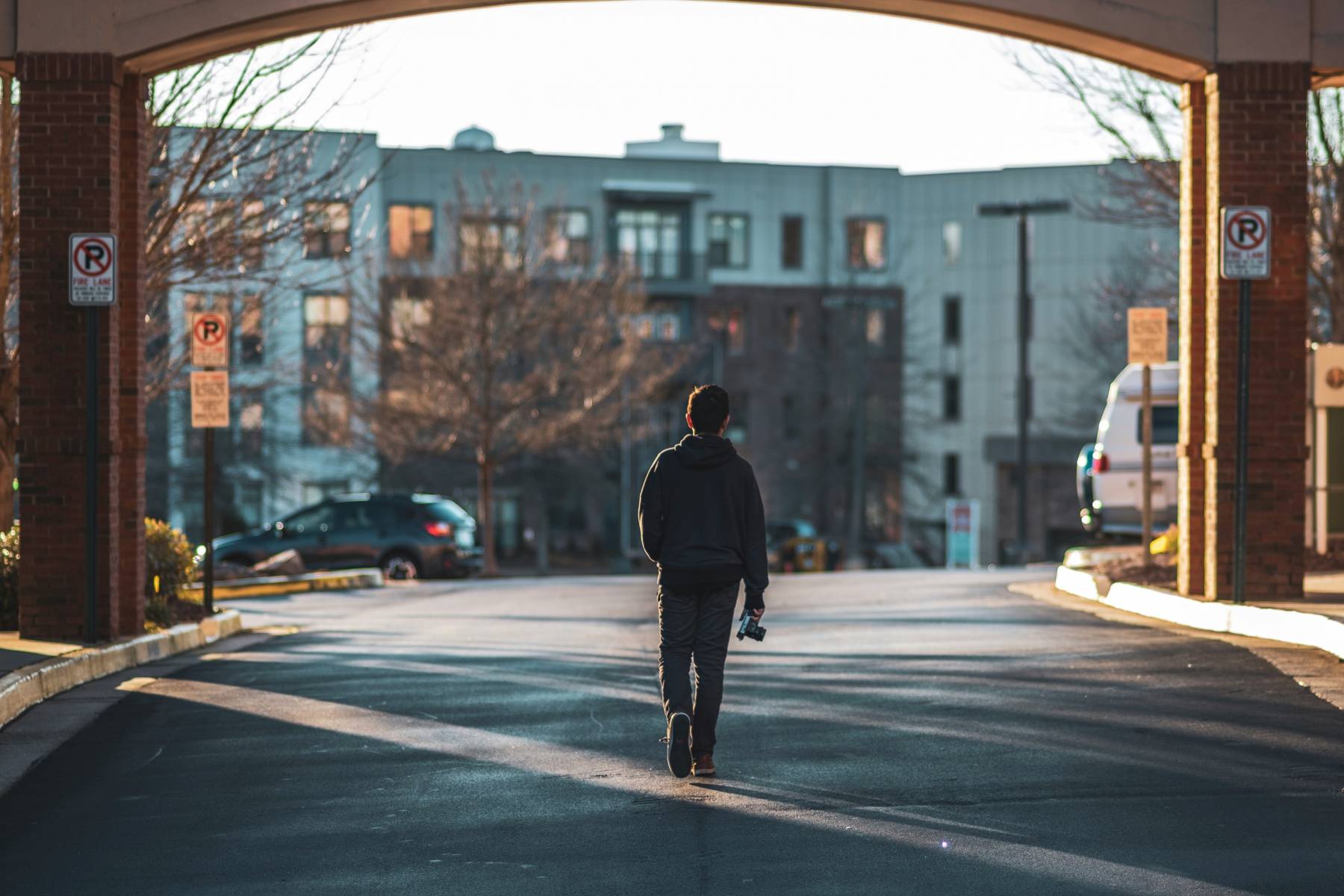
Mindfulness doesn’t require you to be stationary or find a peaceful retreat. It can be practiced while moving—while walking, cycling, or even riding the subway. Urban environments offer countless opportunities for mindfulness on the move. Walking through the city streets, you can practice mindful walking by paying attention to the way your body moves, how your feet hit the pavement, and how your breath shifts as you walk.
The key here is to slow down your pace—physically and mentally. In the city, it’s easy to get caught up in the rush, but by consciously slowing down, you allow yourself to fully experience the journey. Mindful walking, for example, encourages you to move at a pace that allows you to be aware of each step, the sights and sounds around you, and the rhythms of the city.
Even in the subway or bus, mindfulness can be practiced. Rather than zoning out with your phone or losing yourself in the crowd, take the opportunity to focus on the sensation of sitting or standing, the movement of the train or bus, or the interplay of sounds around you. These moments of awareness can help ground you in the present, reducing the stress that comes with urban life.
The Benefits of Mindfulness in a City
So why should you bother practicing mindfulness in the city? What benefits can it offer amidst the chaos and noise?
1. Reduced Stress
Mindfulness has been shown to lower cortisol levels, the hormone associated with stress. By taking small moments throughout your day to check in with yourself and recalibrate your thoughts, you can significantly reduce feelings of anxiety and overwhelm.
2. Improved Focus
Being present helps improve concentration. When you’re mindful, you train your mind to stay focused on what’s in front of you rather than becoming distracted by external stimuli or racing thoughts.
3. Enhanced Emotional Resilience
In a busy city, emotions can often run high—whether it’s frustration with traffic or irritation at long queues. Practicing mindfulness allows you to observe these emotions without reacting impulsively, fostering emotional resilience and the ability to respond calmly in challenging situations.
4. Increased Connection
Mindfulness can also foster a deeper connection to the world around you. By being present and paying attention to your environment, you begin to notice the small, beautiful details of city life—the way sunlight filters through trees, the laughter of people in a café, or the scent of fresh rain on the pavement. These moments of connection can help you feel more at peace with the world around you.
Mindful Urban Living: Simple Tips
If you’re ready to embrace mindfulness in the city, here are a few simple tips to get you started:
- Mindful Breathing: In any stressful situation—waiting in line, commuting, or before a meeting—take a few deep breaths. Inhale slowly through your nose, hold for a moment, and exhale gently through your mouth. This simple practice can calm your nervous system and bring you back to the present.
- Mindful Listening: Whether in a crowded café or on a busy street, try to tune into the sounds around you. Notice the layers of noise, from people talking to the hum of the city. Instead of reacting, simply observe.
- Body Awareness: While moving through the city, check in with your body. Are you tense? Relax your shoulders, soften your jaw, and notice how your body feels. This can help relieve physical tension caused by stress.
- Mindful Eating: In a busy world, we often eat on the go, distracted by screens or rushing to the next task. Try eating one meal a day with full attention. Savor the flavors, textures, and smells, and notice how it feels to nourish your body.
- Create Quiet Spaces: Find little moments of solitude, even if it’s just for a few minutes. A quiet corner at work, a park bench, or a window seat can become your sanctuary for a few moments of peace.
Conclusion
Practicing mindfulness in a busy city isn’t just possible; it’s essential for maintaining a sense of calm and balance in our hectic lives. The challenge is not to escape the noise, but to find peace within it. With practice, mindfulness becomes less about finding a quiet place and more about cultivating a quiet mind—no matter where you are. Whether it’s on the crowded subway or amidst the frenzy of a workday, mindfulness can offer you a moment of clarity, focus, and tranquility.
By integrating small mindful moments into your daily routine, you’ll begin to notice the positive effects on your mental well-being, physical health, and emotional resilience. So the next time you find yourself surrounded by the bustling energy of the city, remember that peace is always within reach—right in the middle of it all.