










— A Deep Dive Into the Quiet Power Shaping Tomorrow’s Style
Introduction: The Whisper That Became a Movement
Fashion, for most of its modern existence, has danced loudly. Fringe, sparkles, saturated colors, avant-garde silhouettes, ever-changing trends—these elements have long fueled the industry’s pulse. Yet in recent years, a different rhythm has begun to resonate. It is quieter, steadier, and, ironically, far more disruptive. It is minimalism.
Minimalism in fashion is often misunderstood as an aesthetic of scarcity—a barren closet, endless neutrals, and silhouettes so simple they verge on silence. But in practice, minimalism is far more philosophical. It is not the absence of design but the refinement of it. It asks: What happens when fashion stops shouting and starts speaking intentionally?
This question has become increasingly relevant as the fashion ecosystem confronts pressures from sustainability, cultural fatigue, technological acceleration, and shifting consumer psychology. The appeal of minimalism is rising precisely because it touches all of these at once. It is less a trend and more a counter-movement, an antidote to excess, and—depending on whom you ask—the potential blueprint for the future.
In this expansive exploration, we examine what minimalism in fashion truly is, why it’s resurging, how it interacts with global shifts, and whether it’s positioned to define the future of style.
Section 1: What Actually Is Minimalism in Fashion?
Minimalism is often reduced to monochrome looks or “plain clothing,” but this is only a small fragment of the picture. True minimalism is an ideology that manifests in design, production, consumption, and styling.
1.1 Minimalism as Aesthetic
Visually, minimalist fashion tends to feature:
- Clean lines
- Purposeful silhouettes
- Restricted color palettes
- Fabric-first design thinking
- Understated detailing
- Harmonious proportions
The focus shifts from decoration to existence—how a garment behaves rather than how it dazzles.
1.2 Minimalism as a Process
Behind the scenes, minimalism influences decisions like:
- Reducing unnecessary components in product design
- Using high-quality materials that require fewer embellishments
- Cutting patterns to minimize waste
- Streamlining production steps
It is not only about what you see but also about what you don’t see: fewer complications, fewer waste streams, fewer hidden consequences.
1.3 Minimalism as Lifestyle
Minimalism in fashion also intersects with personal philosophy:
- Buying fewer yet higher-quality garments
- Building capsule wardrobes
- Valuing longevity over novelty
- Eliminating impulsive consumption
Consumers increasingly view minimalism not as a constraint but as liberation—a way to reduce mental and physical clutter.
1.4 Minimalism as Ethics
Minimalism’s ethical dimension aligns with:
- Slow fashion principles
- Responsible supply chains
- Transparency in material sourcing
- A rejection of disposable culture
Minimalism becomes not only an aesthetic but a stance.
Section 2: Why Minimalism Is Rising—The Cultural Catalysts
Minimalism is not new. Its roots stretch back through design history—from Bauhaus and Japanese zen principles to 1990s Calvin Klein and Jil Sander. But today’s resurgence is not nostalgia-driven. Several macro forces are converging.
2.1 Information Overload and Decision Fatigue
We live in an era where attention is a finite resource. Consumers increasingly seek simplicity as a survival strategy.
Minimalism in fashion reduces complexity:
- Fewer decisions in daily dressing
- A sense of calm in personal environments
- Clothing that integrates rather than dominates
The outfit becomes one less source of cognitive noise.
2.2 Post-Pandemic Pragmatism
The pandemic triggered:
- Remote work lifestyles
- Comfort-driven wardrobes
- A preference for multifunctionality
- A rejection of ultra-fast trend cycles
Minimalist pieces adapt effortlessly to hybrid life and unpredictable routines.
2.3 Climate Anxiety and Sustainability Awareness
The fashion industry is one of the world’s largest polluters. A growing portion of consumers respond by embracing:
- Longer garment lifespans
- Smaller wardrobes
- Fewer impulse buys
Minimalism aligns naturally with sustainability goals—even when not explicitly marketed as such.
2.4 Economic Pressures and Value Consciousness
When economic uncertainty rises, people become more selective. They gravitate toward:
- Timeless clothing
- Versatile pieces
- Items with predictable longevity
Minimalism thrives in value-driven markets.
2.5 Aesthetic Evolution and the Cycle of Taste
Fashion trends operate cyclically. After decades of maximalism—logomania, streetwear layering, neon resurgences—consumers reach saturation. Minimalism is the pendulum swing, offering clarity where chaos once dominated.
2.6 Digital Culture’s Influence
Minimalist aesthetics translate beautifully across digital platforms:
- Clean visuals
- High shareability
- Strong brand identities
Even virtual fashion experiments often gravitate toward streamlined forms—futuristic, smooth, simplified.
Minimalism is not merely returning; it is mutating, hybridizing, and asserting itself in a much broader context than before.

Section 3: Minimalism vs. Maximalism—Why the Debate Keeps Returning
The fashion world loves a dichotomy. Minimalism vs. maximalism is a narrative that resurfaces each decade. But the debate today has evolved.
3.1 Minimalism as Anti-Noise
Maximalism thrives on:
- Loud patterns
- Mixed prints
- Excessive layering
- Contrasting cultural references
Minimalism responds with:
- Visual quiet
- Functional clarity
- Streamlined identity
It acts as a palate cleanser.
3.2 The Emotional Language of Clothes
Maximalists use clothing as theatrical expression; minimalists use it as architecture.
Minimalism communicates:
- Control
- Precision
- Calm sophistication
- Intentionality
Where maximalism says “look at me,” minimalism says “look at the world around me.”
3.3 The Hybrid Reality
Contrary to popular framing, the future likely won’t be binary. Many consumers embrace modular maximalism—a minimalist base wardrobe with maximalist accents. The two philosophies now coexist instead of compete.
Minimalism’s future may lie not in dominance but in integration.
Section 4: The New Minimalism—More Than Monochrome
Minimalism today is evolving. It is no longer confined to stark black turtlenecks or Scandinavian silhouettes. Instead, it’s becoming more expressive and culturally diverse.
4.1 The Rise of “Soft Minimalism”
Soft minimalism includes:
- Warmer neutrals
- Comfortable draping
- Knit textures
- Gentle curves
It feels lived-in, not rigid.
4.2 Colorful Minimalism
Minimalism doesn’t have to be colorless. Designers increasingly incorporate:
- Muted pastels
- Earth tones
- Single-hue ensembles
- Low-saturation pigments
Color becomes controlled rather than absent.
4.3 Craft Minimalism
Craft-focused minimalism highlights:
- Handwoven fabrics
- Natural dyes
- Visible stitchwork
- Regional textile traditions
It blends minimalism with cultural heritage.
4.4 Futuristic Minimalism
Emerging tech inspires new forms of minimalism:
- Seamless 3D-knitted garments
- Laser-cut structures
- Performance fabrics
- Zero-waste digital patterning
This merges minimalism with innovation rather than nostalgia.
4.5 Luxury Minimalism
Luxury houses continue investing in minimalism because:
- Quiet luxury implies quality
- Minimalism enhances brand identity
- It appeals to discerning markets
It has become a vehicle for craftsmanship rather than austerity.
Minimalism today is a diverse movement, not a single aesthetic lane.
Section 5: The Psychological Power of Minimalist Fashion
Minimalism resonates because it interacts directly with human psychology.
5.1 Predictability and Ease
A minimalist wardrobe:
- Reduces decision fatigue
- Improves daily efficiency
- Creates a steady personal style
Simplicity becomes empowering.
5.2 Identity Building
Minimalist fashion is not about hiding; it’s about refining.
It allows wearers to:
- Develop a consistent self-image
- Communicate quiet confidence
- Focus on personal presence rather than decoration
The clothing supports rather than competes with identity.
5.3 Sensory Calm
In a visually overstimulated world, minimalist clothing acts as sensory rest. Neutrals, streamlined silhouettes, and uncluttered forms help create:
- Internal calm
- External clarity
It is fashion as mental hygiene.
5.4 The Desire for Control
Minimalism offers stability in uncertain times. It creates a sense of order—a curated closet becomes a curated mind.
This psychological appeal is a massive factor in minimalism’s global resurgence.
Section 6: Minimalism and Sustainability—A Complex Relationship
Minimalism is often confused with sustainable fashion, but the overlap is nuanced.
6.1 Where They Align
Minimalism encourages:
- Low-consumption habits
- Long-wearing designs
- High-quality garments
- Reduced waste
These align with sustainability goals.
6.2 Where They Diverge
However, not all minimalist brands are sustainable:
- Some use unsustainable fabrics
- Some rely on energy-intensive production
- Marketing often overclaims sustainability benefits
Minimalism can become aesthetic greenwashing when presented as eco-friendly without substance.
6.3 The Path Forward: Intentional Minimalism
For minimalism to support sustainability meaningfully, it must embrace:
- Responsible sourcing
- Longevity-focused materials
- Repair-friendly construction
- Transparent production data
Minimalism’s future requires ecological literacy, not just aesthetic restraint.
Section 7: Technology’s Role in the Future of Minimalist Fashion
Technology is reshaping how minimalism evolves.
7.1 AI and Predictive Design
AI tools enable:
- More efficient pattern cutting
- Reduced waste forecasting
- Personalized sizing
- Style longevity prediction
Minimalism benefits from AI’s emphasis on optimization.
7.2 3D Knitting and Seamless Construction
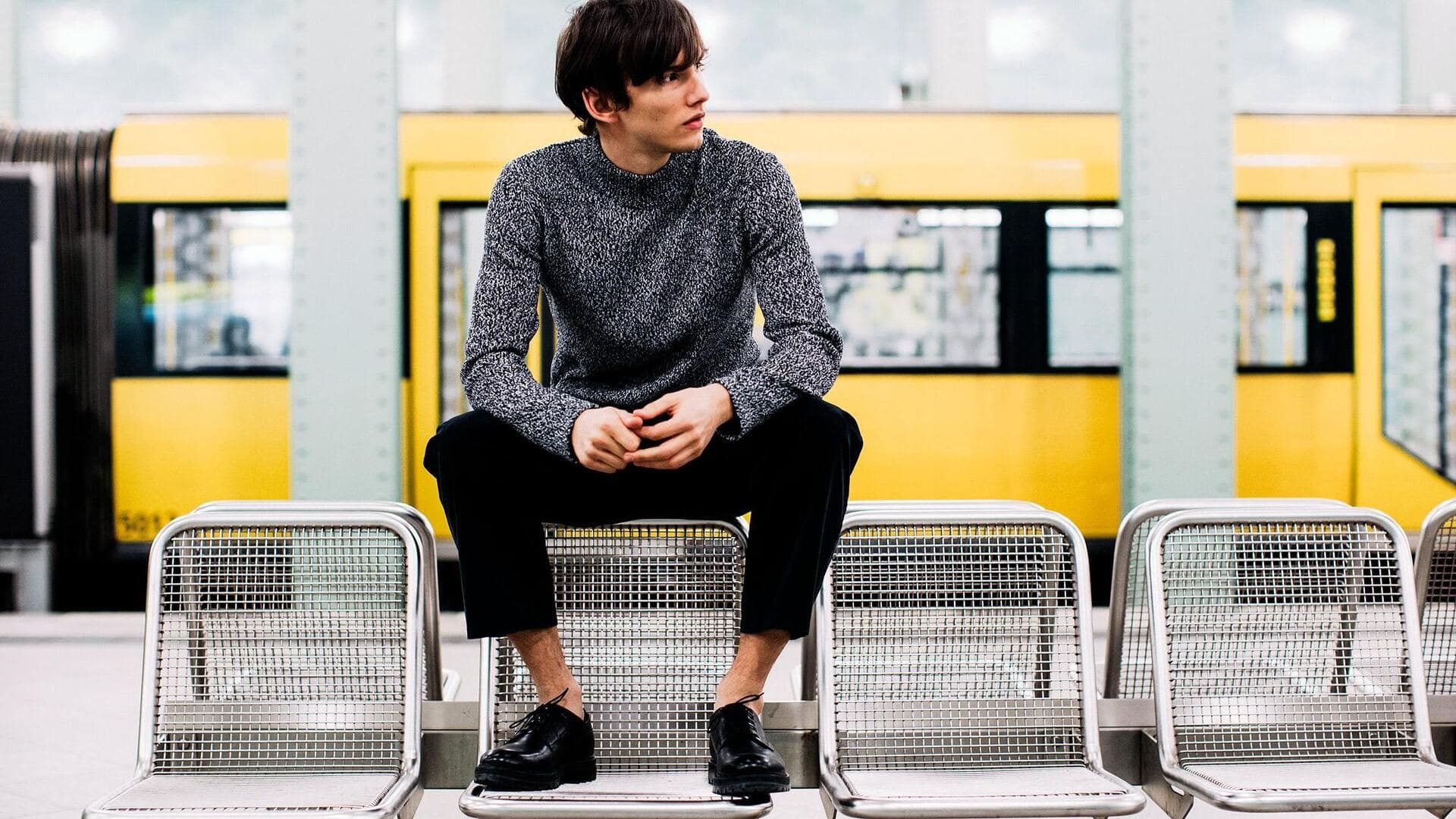
3D technology creates garments that:
- Reduce waste
- Improve comfort
- Require fewer steps
- Lower manufacturing carbon footprints
It is functional minimalism realized through engineering.
7.3 Virtual Wardrobes and Digital Fashion
As virtual fashion spaces grow:
- Minimalist digital garments become status markers
- Avatars adopt streamlined futuristic styles
- Users experiment with minimalism without physical waste
Digital fashion reinforces minimalism’s cultural influence.
7.4 Traceable Supply Chains
Blockchain and tagging technologies enable:
- Full material traceability
- Ethical verification
- Transparent storytelling
Minimalist brands increasingly lean on such tools to support their values-driven appeal.
Section 8: The Economics of Minimalism—Why Brands Love It
Minimalism is not just a cultural or aesthetic phenomenon. It is also strategically beneficial for fashion brands.
8.1 Lower Inventory Complexity
Minimalist collections enable:
- Fewer SKUs
- Predictable demand
- Simplified production cycles
Efficiency becomes an asset.
8.2 Timelessness Equals Profit Stability
Timeless items reduce:
- Obsolescence
- Discounting
- Trend dependency
Brands maintain healthier margins.
8.3 Market Premiums
Minimalist aesthetics often support:
- Premium pricing
- Perceived luxury
- Craft-focused branding
Quiet luxury sells—and sells consistently.
8.4 Global Compatibility
Minimalist design travels well:
- Cross-cultural acceptance
- Versatile climates
- Globalized fashion language
Brands can scale more easily.
Minimalism is not only desirable to consumers—it is economically irresistible to brands.
Section 9: Global Influences—How Cultures Shape Minimalism’s Future
Minimalism is not universally identical. Its evolution varies across regions.
9.1 Japan: The Soul of Minimalism
Japanese design principles deeply influence global minimalism:
- Zen aesthetics
- Wabi-sabi philosophy
- Muji culture
- Architectural silhouettes
The Japanese approach views minimalism as spiritual clarity.
9.2 Scandinavia: Minimalism as Happiness
Scandinavian minimalism embodies:
- Functionality
- Muted palettes
- Nature-inspired simplicity
Hygge and Nordic design have shaped global taste.
9.3 South Korea: Minimalism With Edge
Korean minimalism often includes:
- Sleek tailoring
- Soft street-style integration
- Neutral layering
It is polished yet youthful.
9.4 The West: Corporate & Casual Fusion
Western minimalism blends:
- Quiet luxury
- Corporate functionality
- Neutral business basics
It reflects professional identity and modern practicality.
9.5 Middle East and Africa: Emerging Minimalist Hybrids
Designers reinterpret minimalism with:
- Warm tones
- Draping traditions
- Textural storytelling
Minimalism becomes culturally enriched rather than Eurocentric.
Globalization ensures minimalism will diversify, not homogenize, in the coming decades.
Section 10: Can Minimalism Truly Become the Future of Fashion?
This is the central question. Based on current trajectories, the answer is nuanced.
10.1 Yes—Minimalism Will Shape the Core of Future Fashion
Minimalism’s principles support future challenges:
- Sustainability goals
- Material scarcity
- Overproduction reduction
- Consumer demand for longevity
- Digital-first retail trends
Minimalism offers the blueprint for efficiency and ethical clarity.
10.2 But No—Minimalism Won’t Eliminate Other Styles
Fashion thrives on diversity. Maximalism, cultural fashion, experimental artwear—they will all coexist. Minimalism may guide the industry’s foundation, but not its entire identity.
10.3 The Future: Intentional Fashion
The real future is neither strict minimalism nor total maximalism. Instead, it will be:
- Intentional
- Purpose-driven
- Sustainable
- Technology-enhanced
Minimalism will act as the operating system while other aesthetics run on top of it.
10.4 Minimalism’s Long-Term Role
Minimalism will likely remain:
- A primary force in luxury
- A growing segment in mainstream retail
- A foundational design philosophy
- A stabilizing influence during uncertainty
Its future is not dominance but endurance.
Conclusion: The Quiet Future Taking Shape
Minimalism has always existed as a counterpoint to fashion’s extravagance, but today it is something more. It is a cultural response to overstimulation, a sustainable strategy, a psychological comfort, a technological match, and an economic win for brands. It is aesthetically calm yet conceptually radical.
So, is minimalism the future of fashion?
Yes—if future fashion aims to be more intentional, more sustainable, more efficient, and more human-focused. Minimalism offers the blueprint. It teaches us that fashion can be expressive without excess, beautiful without noise, and innovative without clutter.
But minimalism’s true power lies not in replacing other styles, but in guiding the industry toward clarity, ethics, and intelligence. It is the quiet architect of fashion’s next era—shaping a world where less is not only more, but enough.