










In today’s fast-paced, cluttered world, achieving quality sleep can sometimes feel like chasing a mirage in the desert. The constant ping of notifications, overfilled closets, and walls adorned with “memories” can create subtle stressors that seep into our subconscious. Could the solution to this modern malaise be simpler than we think? Perhaps the key to better sleep lies in minimalism. This approach isn’t just about decluttering physical spaces—it’s a philosophy that can transform your bedroom, your mind, and ultimately, your rest.
The Connection Between Environment and Sleep
Sleep is profoundly influenced by our surroundings. Research in environmental psychology suggests that cluttered spaces can subconsciously activate the brain’s stress centers, even when you’re not actively aware of it. Piles of clothes, stacks of paperwork, and overdecorated rooms subtly signal “unfinished tasks” and “disorder,” which can elevate cortisol levels—the hormone tied to stress and alertness.
Imagine two bedrooms: one filled with neatly stacked items, soothing color palettes, and open space; the other crowded with mismatched furniture, tangled cords, and walls plastered with random photos and notes. Which room would naturally invite relaxation? Minimalism leans heavily toward the former scenario. It creates a visual and cognitive sense of calm, signaling to your brain that it’s safe to unwind.
Minimalism as a Mindset, Not Just Design
Many people mistake minimalism for stark, impersonal interiors. In reality, it’s less about deprivation and more about intentionality. Minimalism encourages asking yourself: Does this item, habit, or thought truly serve me? By applying this principle to your bedroom and lifestyle, you reduce distractions that interrupt sleep cycles.
A minimalist bedroom doesn’t have to be bland. It’s about curating a space that’s functionally beautiful. Soft textures, muted tones, and carefully chosen personal items can coexist without overwhelming the senses. This intentional design fosters a mental state conducive to sleep—a state of order and serenity.
Decluttering Your Sleep Sanctuary
The first step toward minimalist-inspired sleep is decluttering. Here’s a practical roadmap:
- Assess Necessity: Examine every item in your bedroom. Keep only what serves a purpose or brings genuine joy. This could include your bed, nightstand, reading lamp, and maybe one or two personal mementos.
- Adopt the “One In, One Out” Rule: For every new item you bring in, remove one old item. This prevents slow accumulation of clutter.
- Streamline Storage: Hidden storage can make a space feel clean without sacrificing functionality. Think under-bed drawers or minimalist shelves.
- Digitally Declutter: Phones, tablets, and TVs can over-stimulate the mind. Consider a tech-free zone or at least limit blue-light exposure before bedtime.
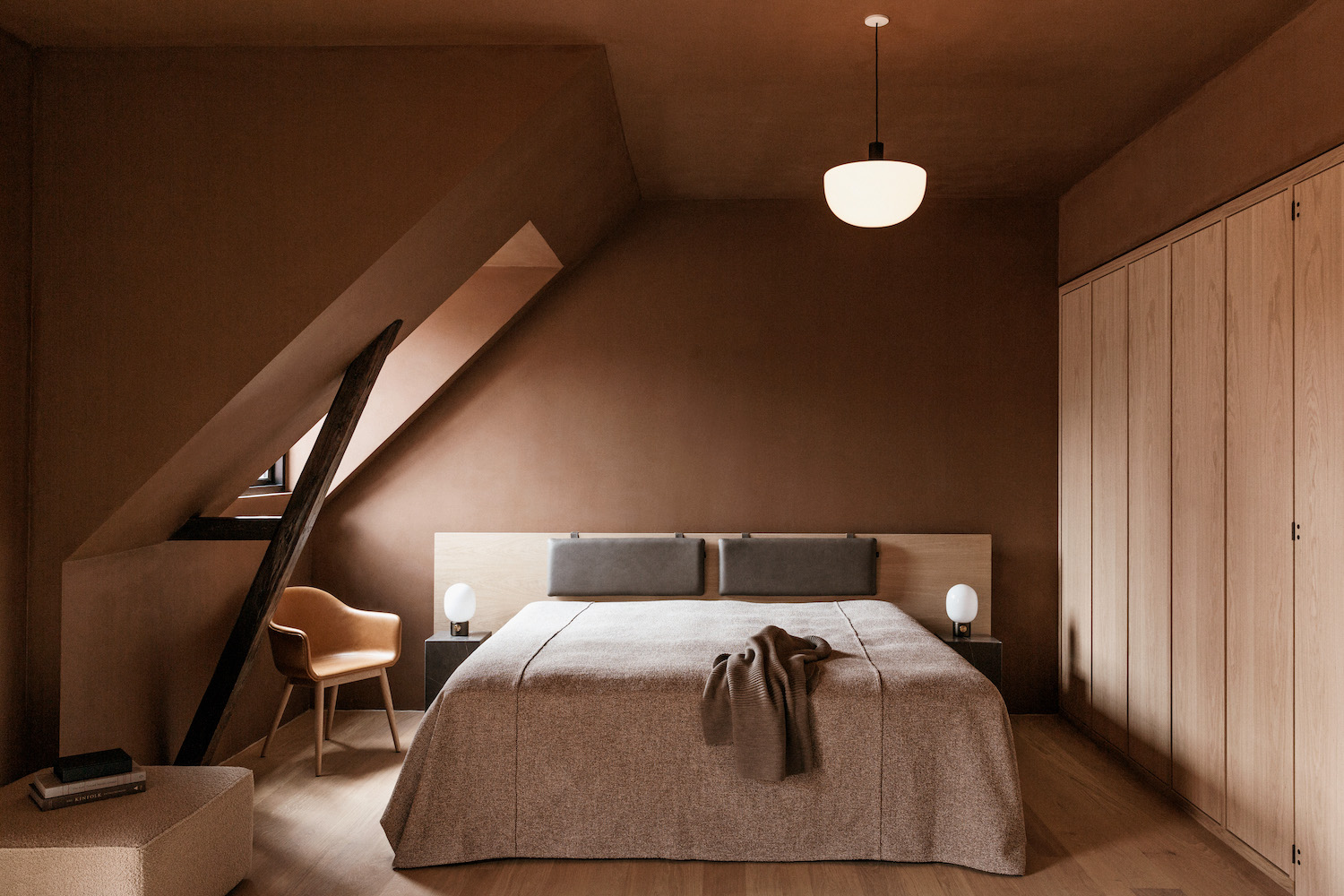
A decluttered room doesn’t just look nicer—it provides a subconscious signal that your environment is safe, controlled, and restful.
Sensory Minimalism: Less Noise, Less Light, More Sleep
Beyond physical clutter, sensory overload is a sleep killer. Minimalism encourages reducing auditory, visual, and tactile distractions:
- Noise: Invest in quiet or soothing soundscapes. Soft background sounds or white noise can mask disruptive noises.
- Light: Heavy curtains or blackout blinds can regulate circadian rhythms. Minimalistic light sources—like a small bedside lamp or dimmable overhead light—prevent overstimulation.
- Touch: Minimalist bedding often favors breathable fabrics and neutral textures. Avoid excessive patterns that may subconsciously “energize” your brain.
By minimizing sensory clutter, you create an environment that cues your body and mind that it’s time to rest.
Minimalism Beyond the Bedroom
Minimalism isn’t only about space; it’s a lifestyle that reduces mental clutter. High stress, constant multitasking, and emotional baggage can all interfere with sleep. By simplifying commitments and routines, you reduce decision fatigue, lower cortisol, and improve sleep quality. Here’s how:
- Evening Routines: Keep pre-sleep activities simple. Meditation, reading, or gentle stretching are enough; avoid complex multitasking.
- Digital Detox: Limiting evening notifications reduces cognitive stimulation.
- Emotional Minimalism: Address lingering worries through journaling or mindful reflection to prevent them from invading dream time.
Minimalism in life and habits complements a minimalist bedroom, creating a 360-degree sleep-friendly ecosystem.
The Science of Minimalism and Sleep
Emerging research supports the idea that minimalistic environments improve sleep quality. A study on bedroom clutter found that people with disorganized sleeping spaces reported more fatigue and insomnia than those with tidy, streamlined rooms. Neuroscientists attribute this to the brain’s prefrontal cortex, which remains subtly active in chaotic environments, making it harder to transition into the parasympathetic “rest and digest” state.
Similarly, simplified routines reduce decision fatigue, which has been linked to mental hyperarousal—a key factor in insomnia. In essence, minimalism doesn’t just help you fall asleep faster; it supports deeper, more restorative sleep cycles.
Minimalist Design Tips for Better Sleep
Here are actionable ways to apply minimalism to your bedroom without making it feel cold or sterile:
- Neutral Palette: Soft shades like beige, gray, or pastel greens create a calming backdrop.
- Functional Furniture: Use pieces that serve multiple purposes, reducing unnecessary clutter.
- Art with Intention: One or two carefully chosen pieces are more soothing than walls covered in random prints.
- Clear Surfaces: Keep nightstands and dressers clean except for essentials.
- Natural Elements: A small plant or wood accent can enhance tranquility without visual overload.
The goal is a room that whispers “rest” rather than shouts “busy”.
Minimalism and Sleep Psychology
The benefits of minimalism also extend to cognitive and emotional domains. A clean, orderly bedroom reduces anxiety, improves mood, and fosters a sense of control. Humans have evolved to respond to environmental cues; clutter often signals danger or unfinished business, triggering a stress response. Minimalism, by contrast, promotes predictability and calm, which are crucial for falling and staying asleep.
Case Study: Minimalist Sleep Transformation
Consider Emma, a corporate executive plagued by insomnia. Her bedroom was crowded with clothes, books, gadgets, and decorative items. After embracing minimalism, she downsized her possessions, implemented a simple night routine, and introduced a calming color scheme. Within two weeks, Emma reported falling asleep faster, waking less during the night, and feeling more refreshed in the morning. This real-life example mirrors findings from behavioral sleep studies—decluttering isn’t just aesthetic; it’s therapeutic.
Minimalism Meets Sleep Technology
Modern minimalism doesn’t exclude technology; it’s about intentional use. Smart lighting, white-noise machines, and sleep-tracking apps can enhance rest if used judiciously. The minimalist principle here is: “technology should serve sleep, not compete with it.” Avoid screens or notifications that interfere with melatonin production, and prioritize devices designed to support circadian rhythms.
Overcoming Barriers to Minimalist Sleep

Adopting minimalism isn’t always easy. Emotional attachment, family needs, or lifestyle constraints can complicate the process. Here’s how to overcome common hurdles:
- Attachment to Items: Start with one small category, like clothes or books, and gradually expand.
- Shared Spaces: Collaborate with roommates or partners to establish shared minimalist zones.
- Lifestyle Constraints: Minimalism is flexible—focus on essentials and intentional design rather than extreme austerity.
Remember, the goal isn’t perfection; it’s a space and routine that actively promotes rest.
The Psychological Ripple Effect
A minimalist bedroom can influence other areas of life. Better sleep improves productivity, mood, and decision-making. Reduced clutter encourages clarity in thought, and intentional living fosters emotional resilience. Essentially, minimalism creates a positive feedback loop: clean space → better sleep → improved mental health → cleaner space, and so on.
Minimalism as a Sleep Ritual
Some minimalists take the philosophy further by integrating ritualized routines that enhance sleep quality:
- Evening Wind-Down: Dim lights, play gentle music, and perform a brief meditation.
- Simplified Wardrobe: Reduce decision fatigue by keeping a curated set of pajamas and clothing.
- Minimalist Mindset: Reflect on the day’s achievements and release unnecessary worries before bed.
These rituals reinforce the bedroom as a sanctuary, helping both mind and body to fully disengage from daily stressors.
Minimalism for Different Sleep Styles
Everyone’s sleep needs differ. Minimalism can be adapted for:
- Light Sleepers: Minimized noise and visual clutter reduce awakenings.
- Restless Sleepers: Streamlined spaces reduce subconscious stress triggers.
- Shift Workers: Controlled lighting and simplified routines help regulate disrupted circadian rhythms.
This adaptability makes minimalism a universally applicable strategy for better sleep.
Minimalism Beyond the Bedroom: Lifestyle Synergy
To maximize its impact, minimalism should extend beyond your bedroom. Consider simplifying:
- Work Life: Clear digital and physical workspaces.
- Diet: Streamlined meal planning reduces mental load.
- Relationships: Prioritize meaningful connections, reduce social clutter.
A minimalist lifestyle amplifies sleep benefits, creating harmony between your environment, mind, and daily habits.
Conclusion: Why Minimalism Might Be the Ultimate Sleep Hack
Minimalism is more than a design trend—it’s a holistic approach to reducing physical and mental clutter. By curating a bedroom that fosters calm, establishing intentional routines, and embracing a simplified lifestyle, you can significantly improve sleep quality. Minimalism doesn’t promise instant perfection, but it offers a scientifically grounded pathway to restorative rest. In a world brimming with distractions, perhaps the most radical act for your sleep health is simply to own less, simplify more, and let your mind breathe.
Sleep, after all, is the ultimate luxury—and minimalism might just be the secret key.