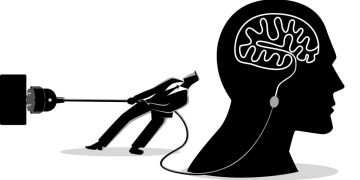










In a world where distractions are constant and time moves at breakneck speed, the act of staying fully present in the moment often feels like an elusive skill. We find ourselves racing through daily tasks, preoccupied with the past or future, and struggling to fully immerse ourselves in the now. Despite an increasing awareness of mindfulness and its benefits, many people still find it difficult to stay grounded in the present. But why is this the case?
This article delves into the psychological, cultural, and technological factors that make staying present in the moment so challenging. It will explore the roots of our scattered attention, the toll of modern life on our ability to focus, and how we can train our minds to embrace the present.
The Nature of the Mind: A Constant Stream of Thoughts
One of the primary reasons we struggle to stay present is because of the inherent nature of our minds. Human consciousness is wired to constantly generate thoughts—often simultaneously. This mental chatter can be a product of our instincts, our past experiences, or even our desires for the future.
Our minds rarely pause. Even when we sit still, our brains are often in overdrive, reflecting on past events, ruminating over unresolved issues, or anticipating what might come next. This incessant thought flow is often referred to as the “default mode network” (DMN), a network of brain regions that activates when we’re not focused on a task. The DMN is responsible for self-referential thinking, which means it tends to draw our attention inward—toward our own thoughts and reflections. As a result, we often become disconnected from the present moment.
In essence, our minds are so accustomed to wandering that it takes conscious effort to stop this stream and focus on the here and now. This struggle becomes even more pronounced in the context of modern life, where the demands on our attention are more intense than ever before.
The Cultural Push for Productivity
Another reason we find it difficult to stay present is the cultural emphasis on productivity and achievement. We live in a fast-paced, result-oriented society where the value of an individual is often measured by how much they can accomplish. From a young age, we are taught to focus on goals, deadlines, and outcomes. Whether in school, work, or social settings, there is a constant pressure to perform, to succeed, and to be “productive.”
This pressure often leads to an obsession with the future: What will happen next? How can I improve? What are the next steps? We become so fixated on what lies ahead that we fail to appreciate the present moment. In a way, we view time as something that needs to be managed and optimized, rather than something to be experienced fully.

This productivity culture also encourages multitasking, which further splits our attention. We juggle emails, social media, meetings, and household chores, each pulling us in different directions. Instead of being present in any one activity, we are stretched thin across multiple tasks, none of which we can fully immerse ourselves in.
The Role of Technology and Social Media
Technology, particularly smartphones, is another major factor contributing to our inability to stay present. In the digital age, we are constantly bombarded with notifications, messages, and updates from social media. The average person checks their phone several dozen times a day, each time interrupting whatever task they were focused on.
Smartphones, with their endless apps and notifications, provide a constant stream of distractions. The pull of these devices is powerful; research has shown that even the mere presence of a smartphone can reduce our ability to focus on the present moment. When we check our phones, we enter into a state of “information overload,” where our brains are flooded with stimuli that demand our attention. This constant influx of information prevents us from being fully present in whatever we were doing before.
Social media, in particular, can amplify this problem. By presenting idealized versions of others’ lives, it encourages comparison and self-judgment, often pulling us out of the moment and into a cycle of self-reflection or anxiety. We find ourselves scrolling through feeds, endlessly seeking validation or trying to keep up with trends, all while ignoring the real world unfolding around us.
The Impact of Stress and Anxiety
Stress and anxiety are two of the most significant barriers to staying present. When we’re anxious, our attention is often consumed by worries about the future or regrets about the past. This prevents us from engaging fully in the present moment. The feeling of “being on edge” makes it difficult to focus on anything other than our worries, causing us to miss out on the richness of the current experience.
Moreover, stress activates the body’s “fight or flight” response, which is designed to help us respond to immediate threats. This physiological response diverts resources away from activities like digestion, relaxation, and clear thinking, which are essential for mindfulness and being present. When we’re in a state of stress, our minds are less capable of staying grounded in the moment, and we are more likely to dwell on past mistakes or future fears.
The Disconnection from Our Bodies
Modern life often leads to a disconnection from our physical selves. We spend hours sitting at desks, looking at screens, and focusing on tasks that are purely cognitive, rather than physical. This disconnect between mind and body makes it harder to stay present because we’re not fully in touch with our sensory experiences. When we are not aware of our physical sensations—our breathing, posture, or the feeling of the ground beneath our feet—we are less anchored in the present moment.
Mindfulness practices, such as yoga and meditation, are designed to help us reconnect with our bodies. These practices encourage us to focus on the present moment by bringing awareness to our breath, sensations, and movements. But in a world where our attention is constantly being pulled in multiple directions, taking the time to practice mindfulness can feel like a luxury rather than a necessity.

The Desire for Instant Gratification
Instant gratification has become a hallmark of modern society. From fast food to streaming services, we are accustomed to getting what we want with minimal delay. This desire for immediate rewards has rewired our brains to seek out quick pleasures and distractions. We often prioritize short-term satisfaction over long-term fulfillment, which makes it harder to focus on the present moment.
This constant craving for stimulation can lead to a “dopamine loop,” where we seek out new sources of pleasure to continue feeling good. Every time we check our phone or refresh our social media feed, we experience a small hit of dopamine, reinforcing the behavior. The more we give in to these impulses, the harder it becomes to resist them, and the more challenging it becomes to simply be present.
How to Cultivate Presence
Despite all these challenges, it is possible to train ourselves to stay present. Mindfulness and meditation are two of the most effective tools for developing the ability to focus on the now. Here are some strategies that can help:
- Mindfulness Meditation: Taking a few minutes each day to sit in silence, focus on your breath, and observe your thoughts can help train your mind to be present. Over time, you will be better able to bring your attention back to the present moment when your mind starts to wander.
- Mindful Breathing: During moments of stress or distraction, focus on your breath. Inhale deeply, hold for a few seconds, and exhale slowly. This simple act can help center your mind and body, bringing you back to the present.
- Limit Technology Use: Set boundaries for your use of technology. Try leaving your phone in another room while you work, or designate certain times of day to check emails and social media. Reducing the number of distractions can help you stay more present in your daily activities.
- Practice Gratitude: Taking time to appreciate the present moment can shift your focus away from worries about the future or regrets about the past. Consider keeping a gratitude journal to reflect on the positive aspects of your day.
- Engage Your Senses: Focus on your immediate surroundings. Pay attention to the sights, sounds, smells, and textures around you. This sensory awareness can help anchor you in the present moment.
- Take Breaks: In a world that prizes productivity, it’s easy to forget the importance of taking breaks. Short, intentional pauses throughout your day can help reset your mind and improve your ability to stay present.
Conclusion
Staying present in the moment is no easy task in today’s world, where we are constantly bombarded with distractions, pressures, and expectations. However, by understanding the psychological, cultural, and technological forces that pull us away from the present, we can take steps to regain control of our attention. By practicing mindfulness, reducing distractions, and reconnecting with our bodies, we can cultivate a deeper sense of presence in our daily lives. The more we practice being in the moment, the more we can experience the richness and beauty of life as it unfolds.