









Travel has always been more than just a means of movement from one place to another. It’s a transformative experience that reshapes how we understand and engage with the world around us—particularly when it comes to the perception of time. The familiar ticking of a clock can feel distant when immersed in new cultures, landscapes, and rhythms. As we journey through different places, the very fabric of time stretches, condenses, or even pauses, reshaping how we experience each moment.
In this article, we explore how travel alters our perception of time, both in the macro and micro sense. We will examine how different factors like culture, geography, and even the act of traveling itself can warp the linear progression of time into something that feels flexible, dynamic, and occasionally surreal.
1. The Elasticity of Time: How the Brain Reconfigures Temporal Experience
One of the most striking ways travel expands our perception of time is through the brain’s reconfiguration of temporal experience. When we’re in familiar surroundings, the brain tends to operate on autopilot. We follow routines, engage in well-worn activities, and move through our daily lives without much thought to the passing of time. This is often referred to as the “familiarity effect,” where repetitive activities create a sense of time speeding by because the brain doesn’t need to process much new information.
However, when we travel, everything is novel. New environments demand our attention, and our brains work harder to process the influx of unfamiliar stimuli. Whether we’re navigating an unfamiliar city or trying local foods for the first time, the brain enters a heightened state of awareness. This surge in mental activity can make time feel like it slows down, as we are deeply immersed in the present moment. It’s as if time stretches, expanding to accommodate the richness of our experience.
Moreover, travel introduces a dynamic between “empty time” and “rich time.” Empty time refers to those moments when we’re passively waiting or disengaged—sitting in a taxi, waiting for a train, or lounging in a café. While in our everyday lives, these moments feel wasted or like mere fillers, while traveling, these intervals become “rich” with new opportunities to observe, reflect, and absorb our surroundings. It’s not about the hours passed, but how they are filled that alters our perception of time.
2. Cultural Time: Different Rhythms, Different Worlds
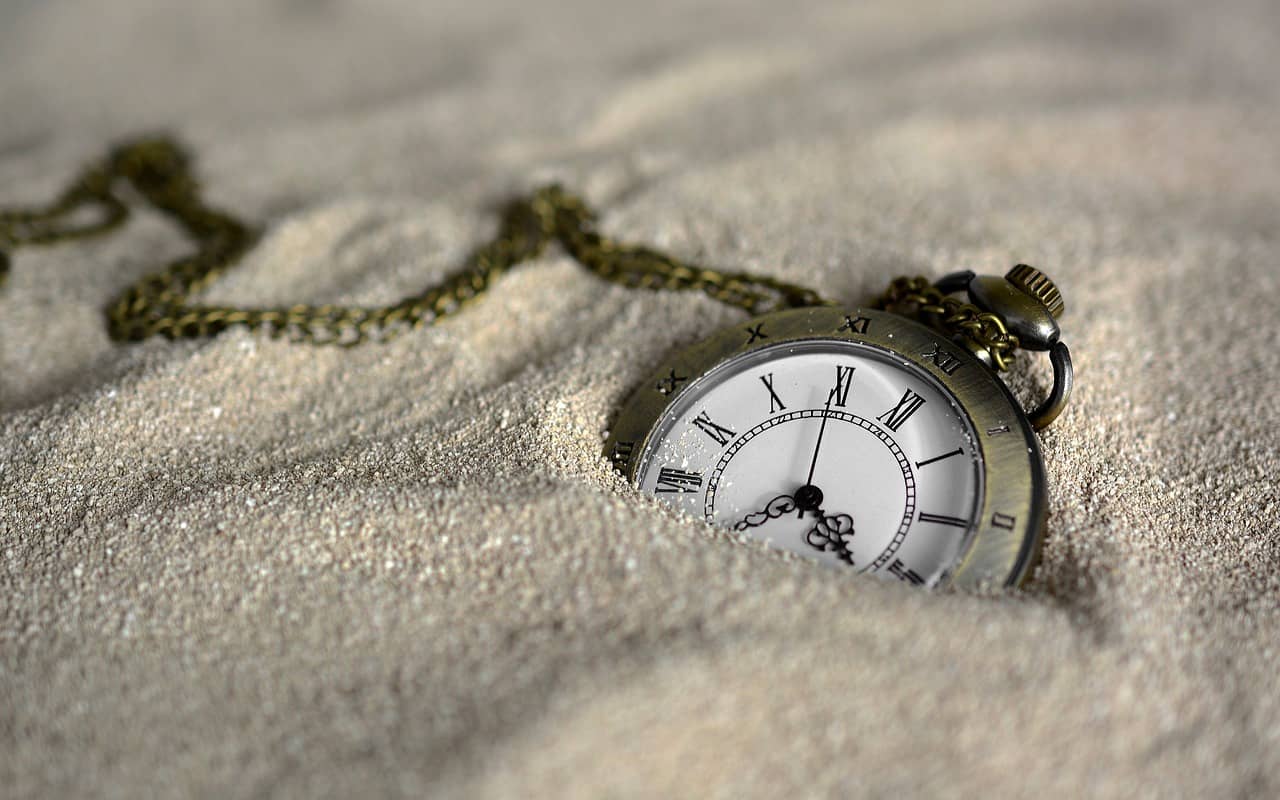
The culture of the place you’re visiting also plays a significant role in how time is perceived. In many Western societies, there’s an emphasis on “clock time,” the constant ticking of the clock that defines how we live. Meetings, appointments, and deadlines are structured around this highly punctual, often rigid, view of time. This sense of time is linear: it’s all about the future, planning ahead, and getting to the next thing.
However, many cultures view time in a more fluid, cyclical manner. In countries such as Spain, Italy, or many parts of South America, life operates on what’s known as “event time” or “social time.” Here, the emphasis is placed less on the clock and more on the event at hand. Meals last for hours, spontaneous gatherings happen without the constraints of time, and schedules are often more flexible. In these environments, time seems to stretch, and what might feel like an eternity in a business meeting can feel like mere moments over a leisurely coffee with a friend.
This cultural divergence can create a sense of timelessness. When you’re immersed in a culture where time is experienced in a more relaxed, organic way, you can’t help but feel that your own relationship with time is reshaped. It becomes less about counting down the minutes and more about enjoying the experience, savoring the moment.
3. Jet Lag: Time Zones and the Warping of Reality
One of the most immediate ways travel distorts our perception of time is through jet lag. Crossing multiple time zones confuses our circadian rhythm, the internal biological clock that regulates sleep and wake cycles. The disruption of this rhythm can result in feelings of time disorientation—waking up at odd hours, experiencing fatigue at unusual times of the day, or feeling that the day is either too long or too short.
Interestingly, this state of liminality can amplify our sense of time’s fluidity. For example, if you arrive at your destination after a long flight and suddenly feel like it’s both morning and evening, the linear progression of time is no longer so clear. You’re caught in an in-between state where you are neither fully in the past nor in the present. This disorientation, while frustrating, can also give you a strange sense of freedom—an opportunity to step out of the regular constraints of time and experience life without the usual structure.
In a sense, jet lag allows you to experience time more vividly. You may find yourself waking at sunrise and feeling as though you have an entire day ahead of you, or conversely, experiencing a surreal “double day” as you adjust. Time itself becomes an abstract concept, less tied to external clocks and more to your own internal experience.
4. The Speed of Travel: Compressing or Expanding Time
Another way travel alters our perception of time is through the speed at which we move. Consider the difference between traveling by car, train, or plane. When traveling by car, you might experience the landscape changing gradually, with new towns and vistas unfolding slowly before your eyes. This kind of travel invites you to be present in the moment, as the scenery shifts in real-time. As you drive, the passage of time often feels “normal” but elongated. It is steady but unhurried.
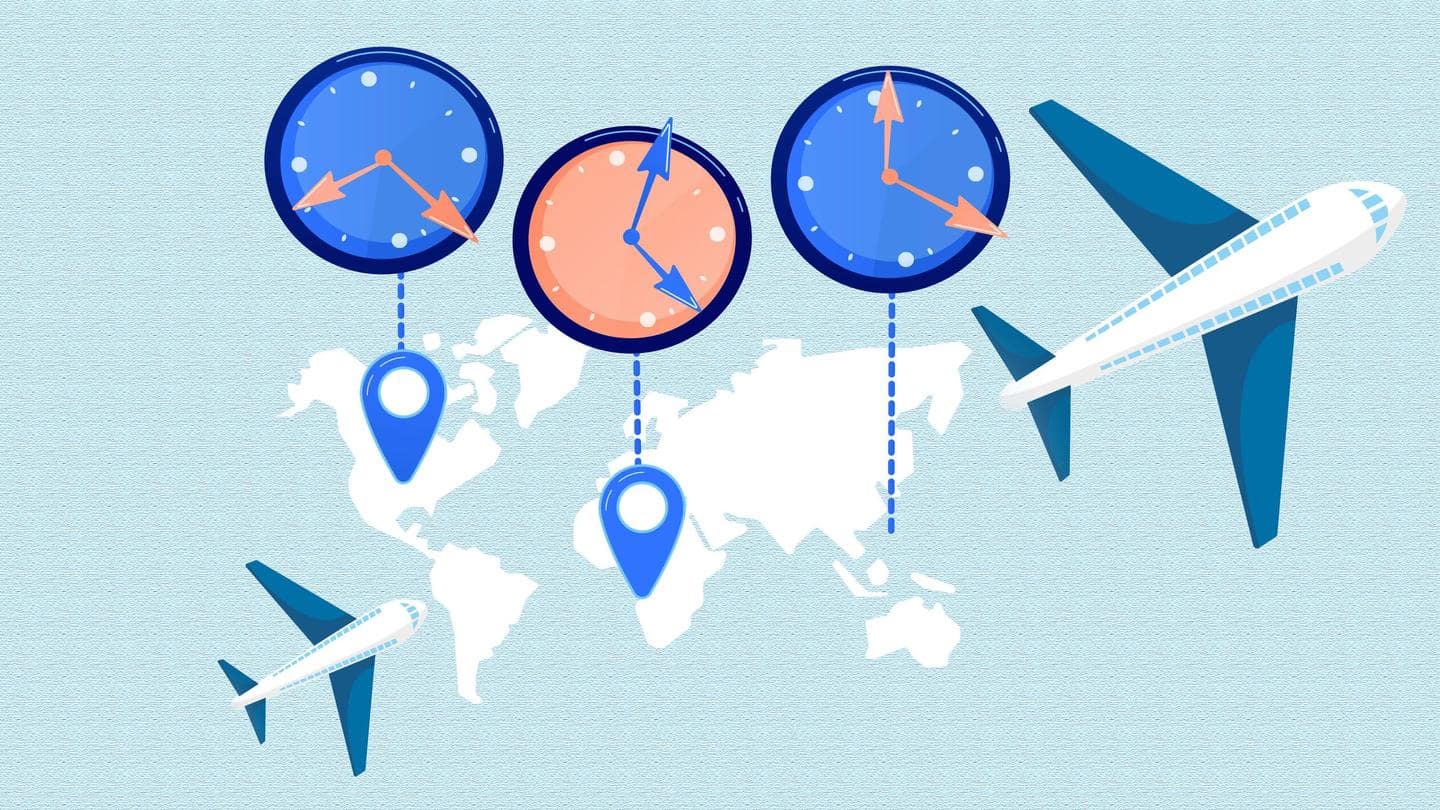
In contrast, traveling by plane—particularly on long-haul flights—can lead to a compression of time. A long-distance flight, while physically exhausting, often feels like a blur. Hours spent in the air can seem to evaporate, especially if we’re preoccupied with in-flight entertainment or trying to sleep. The sensation of waking up in a new destination with very little recollection of the journey creates a disjointed experience of time. A 10-hour flight can feel like a few minutes or a few days, depending on how we experience it.
This contrast between modes of travel reflects the underlying truth that time is not simply determined by the passage of hours—it is shaped by how we engage with the world around us. When you move slowly, you notice the world in more detail, and the hours feel longer. When you move quickly, time seems to compress, and entire hours may feel as if they’re gone in an instant.
5. The Power of New Experiences: Time as a Construct of Memory
Finally, one of the most profound ways travel reshapes our perception of time is through the accumulation of new experiences. The brain perceives time not just in terms of clock hours but through the lens of memory. Experiences that are novel and emotionally impactful are often remembered more vividly. Because travel exposes us to new people, places, and experiences, it creates a multitude of lasting memories. These moments don’t just blur into a homogeneous mass—they stand out, each one distinct and remarkable.
For example, spending a week in a foreign city might feel longer because of the myriad new experiences that fill it. You’ll remember the taste of local food, the sights of unfamiliar architecture, and the sounds of a different language. In contrast, a week spent in the monotony of routine might feel like it has passed in a flash, because those days were made up of repeated, familiar actions that didn’t create lasting memories.
This effect is particularly evident when we look back on travel experiences. Often, people feel that their trips—no matter how short—felt longer than they actually were. This distortion happens because travel is a dense collection of new memories, each of which seems to take up more “space” in our minds than the mundane events of everyday life.
6. Time and Transformation: Travel as a Tool for Personal Growth
At its deepest level, travel has the power to transform how we view time itself. It can shift our perspective from one of linearity to one of flexibility, from a focus on productivity and deadlines to one of experiencing the richness of the present moment. When we travel, we are often forced to step outside of our routines, away from the familiar constraints of time, and into a more fluid and expansive rhythm.
This transformation is not just intellectual—it’s personal. The way we structure our time, think about our futures, and even our sense of urgency can be changed by the act of traveling. A slower pace in a foreign land can teach us to appreciate the small moments. A chaotic journey can remind us that time is both precious and unpredictable. Travel has the unique ability to not only expand our geographical horizons but also to stretch and redefine our inner clock.
Conclusion: Time Is What You Make of It
Ultimately, travel challenges the idea that time is a fixed, unyielding force. It is a reminder that how we experience time is deeply tied to the environment, the culture, and the experiences we have. Through travel, we can step outside of the normal constraints of time and learn to live more fully in the present.
As we navigate new places, cultures, and landscapes, our understanding of time shifts—sometimes slowly, sometimes drastically. What we come to realize is that time, like travel itself, is a journey. It is fluid, elastic, and infinitely customizable. The more we embrace its flexibility, the more expansive our world—and our sense of time—becomes.