









Introduction: The Search for the Real in an Age of Too Much
We live in an era defined by abundance—of choices, information, possessions, notifications, digital identities, opinions, and expectations. Our closets overflow, our calendars strain, our minds run in dozens of parallel tabs. The modern human is arguably the most materially equipped yet psychologically overstretched version of our species to ever exist.
And somewhere in this cultural crescendo of more, an unexpected counter-movement has taken center stage: minimalism.
Minimalism is no longer an obscure artistic philosophy or a niche interior-design trend. It has woven itself into consumer behavior, social media aesthetics, wellness practices, architecture, technology, and even corporate culture. Yet for many people, minimalism is still misunderstood—reduced to all-white rooms, harshly empty shelves, capsule wardrobes, and individuals who appear to own exactly one fork.
But minimalism is far more profound than owning fewer things. At its core, minimalism is a process of editing one’s life until all that remains is intentional, meaningful, and aligned with a person’s deepest sense of self. It’s not about deprivation; it’s about liberation from noise.
This raises an intriguing question:
Could minimalism be the key to living a more authentic, grounded, and self-directed life?
To answer this, we must explore minimalism not as a set of rules but as a multidimensional lens through which we can reexamine our relationship to material objects, digital environments, relationships, ambition, identity, and personal meaning.
This article takes a deep, accessible, and sometimes playful dive into the psychological, philosophical, cultural, and practical sides of minimalism—and why it may be one of the most relevant lifestyle frameworks of our time.
1. Minimalism: More Than Clean Surfaces
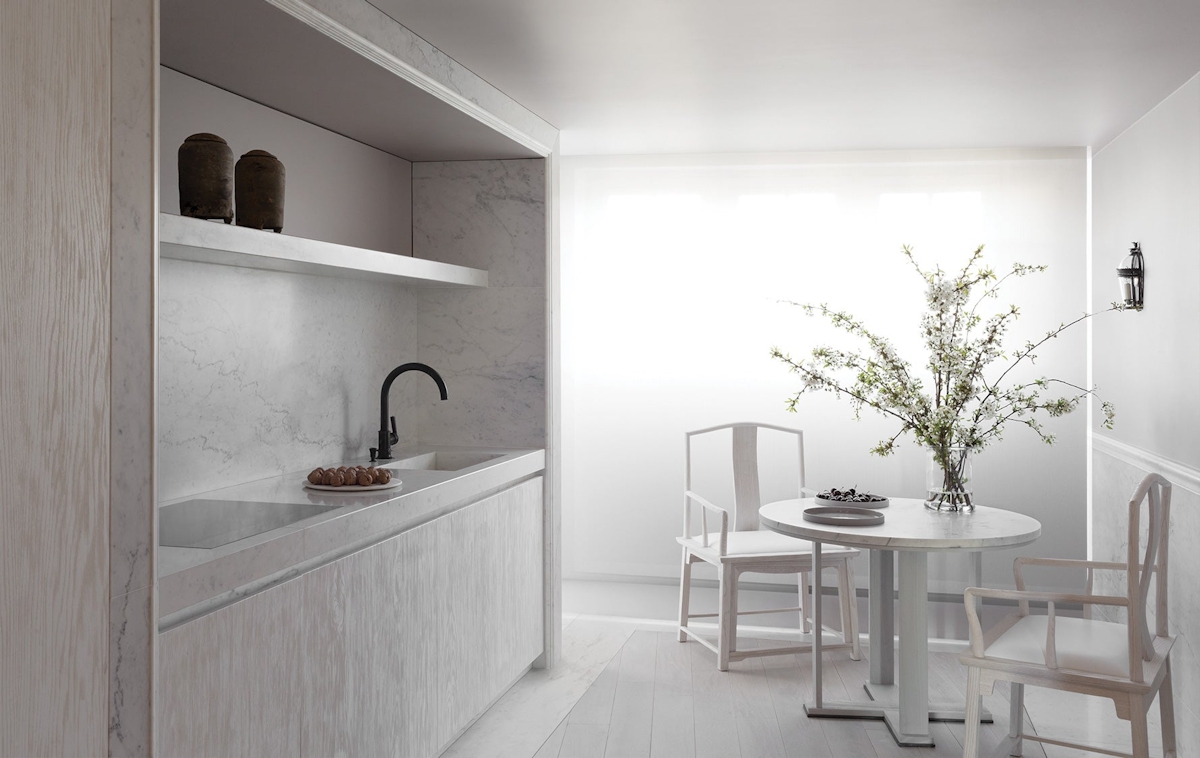
Minimalism is frequently mistaken for an aesthetic: Scandinavian furniture, neutral tones, sun-drenched lofts, geometric plant pots, and open space echoing into calm perfection. While the aesthetic is undeniably pleasing, minimalism as a lifestyle is less about how your home looks and more about how your life feels.
Put simply, minimalism is the practice of prioritizing what genuinely adds value and stripping away what does not.
It is:
- A mindset of intentional selection
- A filter for decisions
- A method of aligning behavior with values
- A strategy for reclaiming time, space, and attention
- A way of differentiating between desire and distraction
- A framework for sustainable living
Minimalism helps answer questions like:
- Why do I own the things I own?
- What relationship do I have with my environment?
- What expectations am I living under that don’t belong to me?
- How much mental and emotional space is clutter costing me?
- Do my habits and commitments reflect my actual priorities or the pressures around me?
In other words, minimalism is a tool—not the goal.
2. The Psychological Roots of “Too Much”
To understand why minimalism feels revolutionary today, we must first acknowledge the psychological and cultural conditions that created the need for it.
We are overstimulated.
We are overcommitted.
We are overwhelmed.
2.1 The Comfort of Accumulation
Humans are programmed for survival, not abundance. For the vast majority of human history, scarcity was the norm. Accumulating resources meant safety. Unfortunately, this instinct persists even though most modern humans have more items than they can meaningfully use in a lifetime. As a result:
- Objects become emotional security blankets
- We attach identity to possessions
- We fear letting go because “I might need it someday”
- We reward ourselves with purchases as quick dopamine boosts
Minimalism flips this instinct by asking, “Does this thing help me thrive now?”
2.2 The Distraction Economy
Modern life is not just cluttered with physical items—it’s cluttered with digital noise. Notifications, ads, content feeds, inboxes, and endless choices have created an attention economy where companies compete aggressively for every second of our focus.
Minimalism introduces a radical act: intentionally limiting attention drains.
The result? People who practice minimalism often experience improved concentration, less cognitive fatigue, and a greater sense of mental clarity.
2.3 Social Comparison and Identity Clutter
Another invisible form of clutter is expectations:
- the perfect career
- the perfect home
- the perfect body
- the perfect productivity routine
- the perfect “Instagrammable” life
Social comparison drives us to accumulate not just objects but identities—projects, hobbies, commitments, versions of ourselves we think we should be rather than who we authentically are.
Minimalism interrupts this cycle by filtering identity through personal meaning, not social expectation.
3. Minimalism as an Authenticity Tool
Authenticity may be the most overused yet least understood ideal in modern culture. Minimalism might just be the missing link between wanting authenticity and actually achieving it.
3.1 Authenticity Requires Space
Authenticity doesn’t emerge when life is filled to the brim. It surfaces when there is room to notice the quiet truth of what matters.
When people reduce clutter—physical or mental—they often report:
- discovering forgotten passions
- recognizing unhealthy habits
- realizing which relationships matter
- confronting buried emotions
- clarifying personal values
Quiet creates space for identity to breathe.
3.2 Minimalism Helps Distinguish Want vs. Should
Much of modern dissatisfaction comes from pursuing things we think we should want. Minimalism encourages a slow, thoughtful interrogation of choices:
- Why am I buying this?
- Why am I agreeing to this?
- Why am I pursuing this goal?
Often, the answer reveals social pressure rather than personal desire.
Stripping away “shoulds” is a foundational step toward authenticity.
3.3 Ownership vs. Being Owned
There is a saying among minimalists:
“You don’t own your stuff. Your stuff owns you.”
Possessions require:
- maintenance
- cleaning
- organizing
- storage
- money
- time
- emotional attachment
Minimalism lightens these burdens, freeing time and energy for pursuits that reflect our genuine values.
Authenticity flourishes when life is no longer dominated by maintenance.
4. The Different Dimensions of Minimalism
Minimalism is not monolithic. It adapts to different lifestyles, cultures, and personalities. Understanding its dimensions helps tailor it to individual needs.
4.1 Physical Minimalism
This is the most visible dimension: decluttering the home, simplifying wardrobes, reducing physical possessions, and creating environments that promote calm rather than chaos.
Benefits include:
- reduced decision fatigue
- easier cleaning
- less stress from visual clutter
- increased appreciation of the items you do keep
4.2 Digital Minimalism
A modern essential.
Digital clutter often consumes more mental space than physical clutter. Digital minimalism involves:
- minimizing notifications
- limiting social media
- setting boundaries on screen time
- unsubscribing from unnecessary emails
- reorganizing digital files
This creates room for focus, creativity, and digital well-being.
4.3 Emotional Minimalism
This dimension explores:
- letting go of resentment
- reducing drama
- ending one-sided relationships
- recognizing emotional overcommitment
The result is emotional clarity and healthier interpersonal dynamics.
4.4 Lifestyle Minimalism
This is about simplifying:
- schedules
- commitments
- routines
- obligations
- projects
Lifestyle minimalism asks: How can I structure my life so it aligns with my core values and provides spaciousness instead of constant rush?
4.5 Financial Minimalism
By reducing habitual or impulsive spending, financial minimalism promotes:
- intentional purchases
- debt reduction
- resourceful living
- increased financial security
- long-term freedom
4.6 Sustainable Minimalism
Sustainability and minimalism naturally intersect. A minimalist approach reduces waste, encourages mindful consumption, and promotes items that last rather than items that impress.
5. Minimalism and Modern Happiness
Physical and digital clutter are not just inconvenient—they are linked to anxiety, stress, and reduced well-being. Minimalism works as a happiness multiplier in several ways:
5.1 The Joy of Less
Fewer things mean less responsibility and more freedom. People frequently underestimate how much weight clutter puts on the mind.
5.2 Clear Environments Support Clear Thinking
Neuroscience research suggests that cluttered environments increase cortisol levels and reduce cognitive processing speed. Minimalism is not just aesthetic—it is neurological hospitality.
5.3 Time Recaptured is Joy Reclaimed
Imagine how much extra time is released by:
- fewer chores
- fewer purchases
- fewer errands
- fewer decisions
- fewer obligations
Minimalism transforms time from something we chase to something we inhabit.
5.4 Intentional Living and Meaning
Minimalism is ultimately about meaning. When life is filled only with what matters, it becomes easier to feel satisfied, grounded, and present.
6. Minimalism in Practice: Approachable, Flexible, Realistic
Minimalism is not an all-or-nothing lifestyle. It doesn’t require stark white walls or a monastic rejection of pleasure. It simply asks for intentionality.
Below are practical approaches to integrating minimalism without extremism.
6.1 The Gentle Declutter Method
Decluttering does not require emptying the entire house in a weekend. Instead, try:
- one drawer a day
- one category a week
- one small space per session
This builds momentum while avoiding overwhelm.
6.2 The “Favorite 10% Rule”
Keep the top 10–20% of your most-loved items in any category. Often, these are the items you use 90% of the time.
6.3 The One-Sentence Purpose Test
For any item or commitment, ask:
“What purpose does this serve in my life?”
If you can’t give a clear, meaningful answer, the item or obligation is optional at best—and distracting at worst.
6.4 The Digital Detox Protocol
Try dedicated time blocks without digital contact:
- 1 hour every morning
- 1 device-free evening per week
- digital-free Sundays
Even tiny reductions create dramatic mental spaciousness.
6.5 The Calendar Audit
Eliminate:
- obligations you dread
- projects that drain more than they give
- commitments rooted in guilt, not purpose
Your schedule should reflect your values, not others’ expectations.
6.6 The “Tiny Experiments” Method

Try minimalist practices as experiments rather than rules:
- Wear a simplified wardrobe this week
- Declutter one shelf and observe how the room feels
- Limit social media for 3 days
- Avoid buying non-essentials for a month
Experiments reduce pressure and reveal surprising insights about what adds meaning and what clutters it.
7. The Paradox of Minimalism: Owning Less But Experiencing More
People often assume minimalism means giving up enjoyment, comfort, or beauty. In reality, minimalism often increases the richness of experience.
Why?
Because minimalism sharpens attention.
When distractions are removed, the mind settles. When possessions are fewer, appreciation expands. When schedules lightened, experiences deepen.
Minimalism replaces overwhelm with depth.
Examples:
- a single well-chosen piece of decor brings more pleasure than a dozen mediocre ones
- a meaningful relationship flourishes once low-value relationships are released
- hobbies become more absorbing when not stacked on top of five others
- travel becomes richer when you’re not carrying three suitcases of “just in case” items
Minimalism is not about subtraction—it is about concentration.
8. Minimalism and Creativity: Structured Space for Unstructured Thought
Creativity requires open mental space. Clutter—physical or digital—interrupts the creative process. Minimalists often become more creative because:
- Minimal environments reduce distraction
- Simpler routines free cognitive bandwidth
- Intentional living increases inner calm
- Fewer obligations mean more time for experimentation
Minimalism doesn’t restrict creativity; it nourishes it by removing noise.
9. Cultural Minimalism: Why It Resonates Today
Minimalism is growing because it speaks to several cultural tensions:
- Environmental concerns
- Burnout culture
- Endless consumerism
- Digital overload
- The desire for authenticity
- The search for meaning
As society becomes more complex, simplicity becomes a form of power.
Minimalism offers a counterbalance—a way to anchor identity in something deeper than consumption, status, or performance.
10. Minimalism and Modern Relationships
Clutter doesn’t just fill rooms; it fills relationships.
Minimalist relationships include:
- clear boundaries
- intentional communication
- reduced emotional drama
- prioritizing people who matter
- building partnerships based on shared values
Minimalism encourages relationships rooted in presence, not performance.
11. The Freedom of Choosing Enough
Minimalism introduces the radical idea of enough—a concept intentionally avoided by consumer culture.
When you define your own “enough,” several things happen:
- Marketing loses its power
- Peer pressure fades
- You stop chasing trends
- You stop comparing
- You develop internal security rather than external identity
Enough is a boundary that protects authenticity.
12. Will Minimalism Make You More Authentic?
While minimalism doesn’t guarantee authenticity, it creates the ideal environment for authenticity to grow.
Minimalism:
- removes noise
- reveals values
- clarifies desires
- reduces pressure
- highlights what matters
- supports self-reflection
- elevates intentionality
Authenticity emerges in the space minimalism creates.
13. Minimalism Is Not Perfect—and That’s the Point
Minimalism is not a competition or a dogma. It’s not about:
- owning the least items
- living in a museum-like home
- following strict rules
- rejecting comfort
- achieving perfect aesthetic purity
Minimalism is simply a tool for crafting a lifestyle that aligns with your personal version of meaning.
Used well, it becomes less about owning little and more about living fully.
Conclusion: A Lifestyle of Depth, Not Deprivation
So—could minimalism be the key to a more authentic lifestyle?
For many people, the answer is yes.
Not because minimalism forces authenticity, but because it makes authenticity easier to access. It clears the fog. It quiets the noise. It creates room to breathe. It asks the questions modern life encourages us to avoid.
Minimalism gives us permission to define life by meaning rather than accumulation, by purpose rather than pressure, and by authenticity rather than performance.
In a world where “more” has become the default, minimalism is a gentle invitation to choose better instead.
And sometimes, choosing better begins with choosing less.