










In today’s rapidly changing world, the demand for immediate results, instant gratification, and constant multitasking often leaves little room for patience. From the buzz of smartphones to the speed of modern communication, it can feel as though time itself is speeding up. In this whirlwind of activity, it’s easy to lose sight of the value of being present, of slowing down, and of cultivating patience. Mindfulness, a practice rooted in the idea of paying attention to the present moment without judgment, offers a powerful tool for counteracting the pressures of this fast-paced environment.
What is Mindfulness?
Mindfulness is more than just a buzzword. It is a state of awareness that involves focusing your attention on the present moment in an intentional and non-judgmental way. This practice has its roots in ancient Buddhist meditation, but it has been embraced in the modern world for its many psychological and physical benefits. The practice encourages individuals to notice their thoughts, emotions, and physical sensations without trying to change or judge them. By doing so, mindfulness helps individuals develop a more profound connection with their inner experiences and with the world around them.
In essence, mindfulness is the art of being fully present. It means putting aside distractions and engaging with the here and now, whether you are listening to a friend, savoring a cup of tea, or taking a walk in nature. It is about cultivating awareness, and through that awareness, patience becomes a natural byproduct.
Patience in the Modern World
Patience can be defined as the ability to wait calmly in the face of delay or adversity without becoming frustrated or anxious. In our hyper-connected society, however, patience often seems like a rare commodity. Social media, fast food, 24/7 news cycles, and streaming services that offer instant access to entertainment all contribute to an expectation of immediacy. We want what we want, and we want it now.
Yet, this constant chase for speed can lead to a host of problems. Rushed decisions, shallow relationships, and poor mental health are just some of the consequences of living in a world that prioritizes speed over substance. We may find ourselves constantly on edge, frustrated when things don’t happen as quickly as we’d like. Stress and anxiety build, and patience becomes increasingly difficult to cultivate.
Here, mindfulness offers a counterbalance. By teaching us to slow down and truly engage with the present moment, mindfulness fosters a deep sense of patience—both with ourselves and with others.
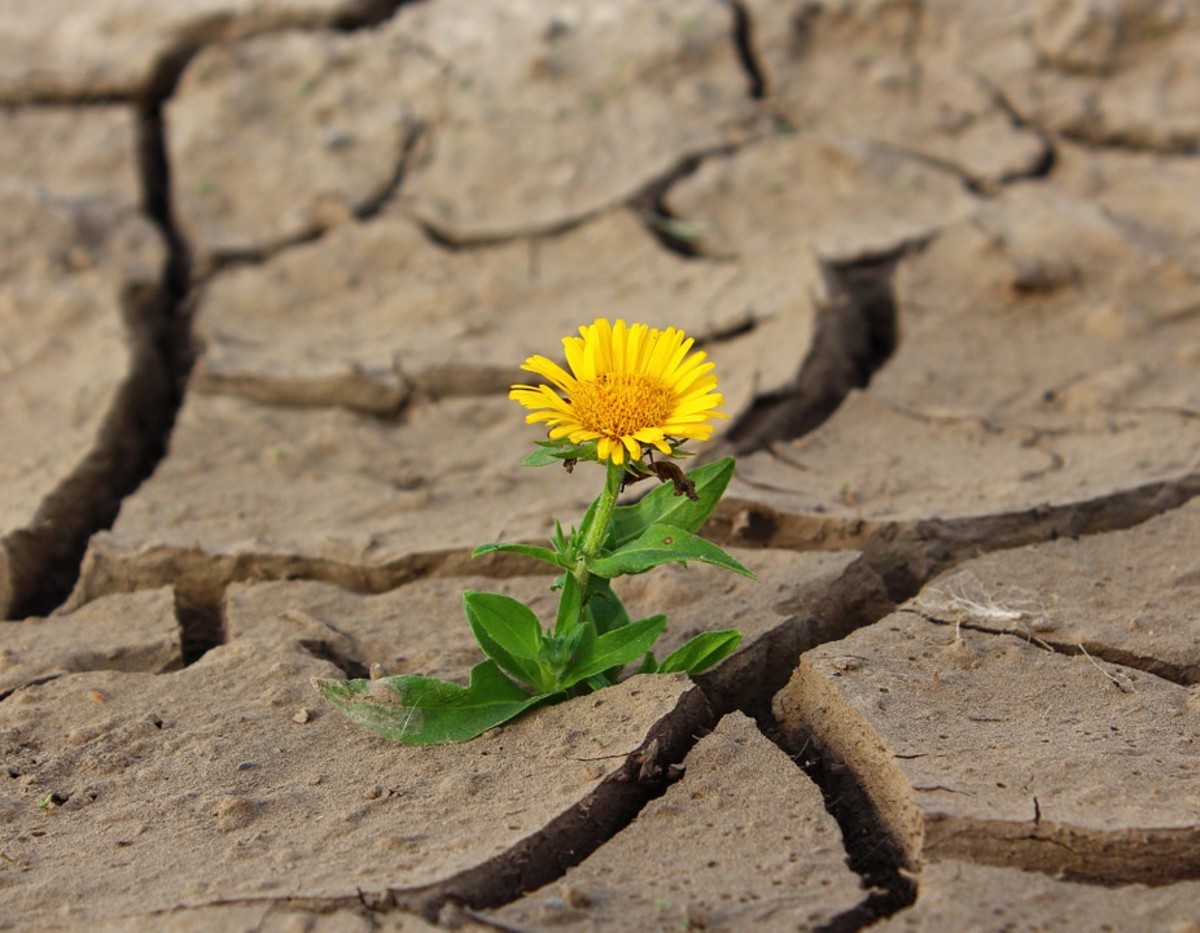
Mindfulness and Patience: A Symbiotic Relationship
Mindfulness and patience are intimately linked. Mindfulness practice encourages us to notice our thoughts and emotions without reacting to them. For example, when we feel impatient, mindfulness allows us to acknowledge the feeling without acting on it. Instead of rushing to find a solution, we sit with the discomfort and experience it fully, which, paradoxically, often diminishes its power over us.
In this way, mindfulness helps us cultivate patience in a few key ways:
- Awareness of Impulses
Mindfulness helps us become more aware of our impulses. The next time we feel the urge to check our phones or respond to a message immediately, mindfulness can help us pause and reconsider whether this is truly necessary. Rather than succumbing to the impulse to act, we take a step back, allowing us to make more deliberate, thoughtful decisions. - Decreased Reactivity
Patience is often tested when things don’t go as planned or when we encounter obstacles. A mindless reaction might involve snapping at someone, becoming frustrated with a situation, or giving up too quickly. Mindfulness, however, teaches us to respond with intention. Instead of reacting in haste, we can pause, breathe, and choose a more considered course of action. - Acceptance of the Present Moment
One of the cornerstones of mindfulness is acceptance—of ourselves, of others, and of the present moment. When we accept things as they are, without trying to force them to be different, patience naturally follows. In a fast-paced world where there’s often a constant push to change, achieve, or “do more,” the ability to accept things as they are can be a radical act of patience. - Reducing the Need for Immediate Gratification
Mindfulness helps us tune into our desires without necessarily acting on them. The practice allows us to sit with discomfort or craving, whether it’s for food, entertainment, or approval. Instead of reaching for the nearest distraction, mindfulness teaches us to tolerate the pause, gradually reducing the impulse to seek immediate gratification.
Practical Ways to Use Mindfulness to Cultivate Patience
Mindfulness isn’t a passive practice—it’s something you can actively integrate into your daily life to cultivate patience. Here are some practical tips on how to use mindfulness to slow down and build patience:
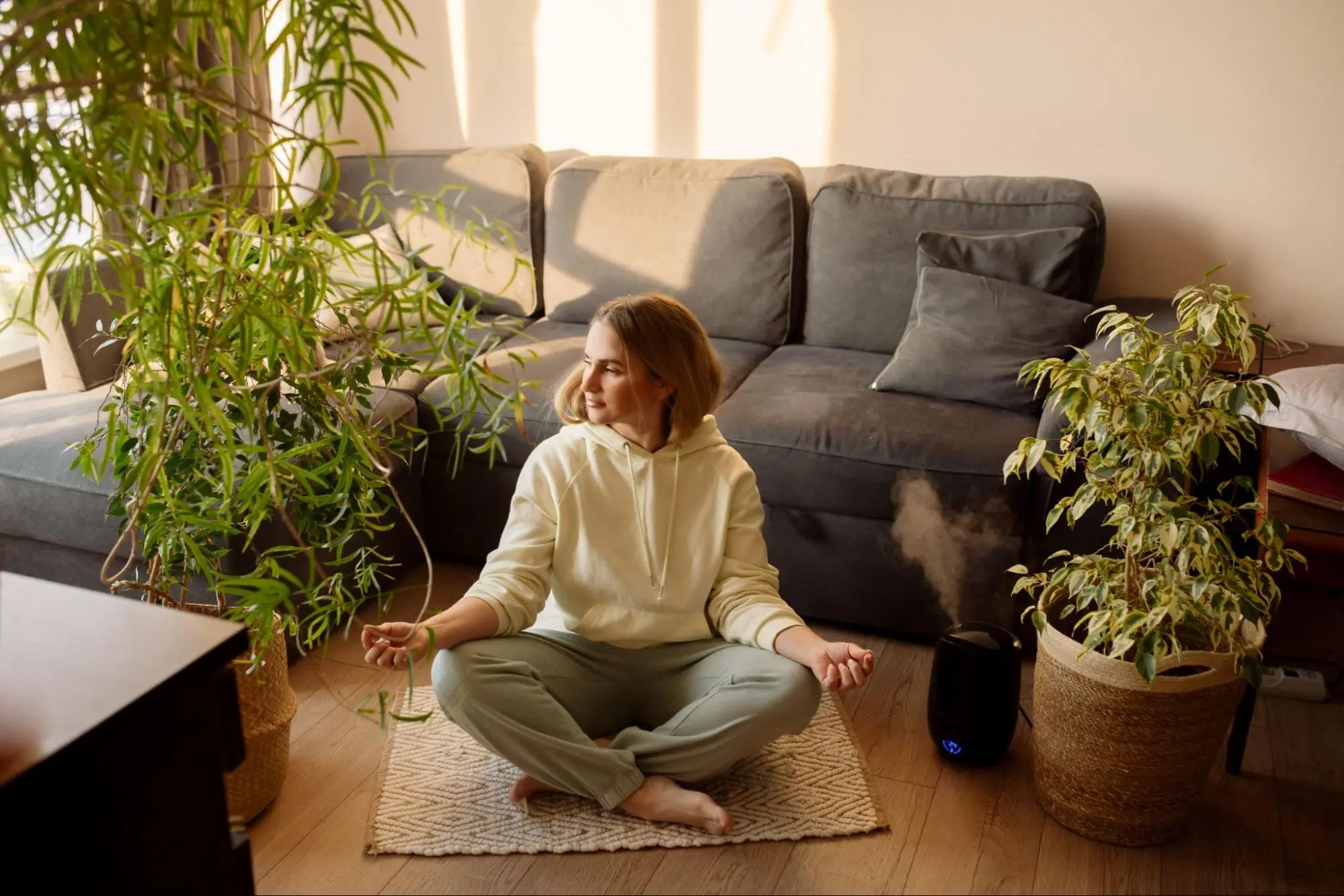
- Mindful Breathing
One of the simplest and most effective mindfulness practices is mindful breathing. When you feel impatience bubbling up, focus on your breath. Take a slow, deep breath in through your nose, hold it for a moment, and then exhale slowly through your mouth. This simple act of slowing down your breath can instantly help calm your mind and bring your awareness back to the present moment. - Mindful Walking
Take a walk and practice mindful walking. Pay attention to the sensation of each step. Notice the feeling of your feet connecting with the ground, the rhythm of your movement, and the environment around you. Walking mindfully can be a great way to slow down in a busy day and reconnect with the present moment. - Mindful Eating
Many people eat mindlessly—on the go, distracted, or while doing something else. To practice mindfulness, try eating slowly and with full attention. Focus on the taste, texture, and aroma of your food. This practice not only helps with digestion but also cultivates a sense of patience as you give yourself the time to truly savor your meal. - Body Scan Meditation
A body scan is a simple meditation where you bring attention to different parts of your body, starting from your toes and working up to your head. This practice helps ground you in the present moment and can be especially helpful when you’re feeling impatient or agitated. By bringing your focus to physical sensations, you allow yourself to relax and release tension, which naturally fosters patience. - Gratitude Practice
Patience is often about perspective. One way to shift your mindset and become more patient is through a daily gratitude practice. When you take a moment each day to reflect on the things you are grateful for, it can help you shift away from frustration and impatience. Gratitude reminds you that things are already unfolding in their own time. - Journaling
Writing down your thoughts and feelings can help you process impatience and other emotions. When you experience frustration or a sense of hurry, try journaling about it. What’s causing the impatience? How do you feel about it? Through this process of reflection, you can gain clarity and insight, which can help you let go of impatience and embrace patience.
Mindfulness and Patience in Relationships
In relationships, whether personal or professional, patience is often tested. We may feel frustrated with others when they don’t meet our expectations or when things are moving too slowly. Here again, mindfulness plays a vital role.
- Active Listening
In conversations, mindfulness allows us to listen more deeply and fully. Instead of thinking about what we’re going to say next or rushing to respond, mindfulness encourages us to be present with the other person. Active listening fosters patience by allowing us to appreciate the other person’s perspective, even if we don’t agree. - Empathy and Understanding
Mindfulness helps us cultivate empathy by allowing us to become more attuned to others’ feelings and experiences. When we approach others with an open, non-judgmental mind, we are more likely to respond with patience, understanding, and compassion, rather than irritation or frustration. - Managing Expectations
One of the key ways mindfulness helps with patience is by encouraging us to manage our expectations. In a world that constantly demands more, we often expect things to move quickly and efficiently. However, mindfulness reminds us that not everything needs to be hurried. When we accept that others, and even ourselves, may need more time, patience naturally follows.
Conclusion: The Power of Mindfulness in a Hectic World
In a world that constantly demands more from us, mindfulness offers a powerful antidote to the impatience that often arises. By slowing down, tuning into the present moment, and cultivating awareness, we can learn to be patient with ourselves and others. Patience isn’t just about waiting—it’s about how we engage with the waiting. Mindfulness provides the tools to engage in life with a calm, measured presence, fostering patience in a world that sometimes feels like it’s moving too fast.