










Trauma is an overwhelming experience that disrupts the emotional, psychological, and sometimes physical balance of an individual. Whether it stems from childhood abuse, war, natural disasters, or personal loss, the effects of trauma can be long-lasting and far-reaching. Healing from trauma is a complex journey, requiring the mind, body, and spirit to work together. In recent years, mindfulness has emerged as a powerful tool in this healing process. But how does mindfulness help in healing from trauma?
In this article, we explore the role of mindfulness in trauma recovery, its therapeutic benefits, and how it can be incorporated into a healing practice. Whether you are someone who has experienced trauma or someone supporting a loved one through recovery, understanding mindfulness offers a pathway to healing that is both accessible and profound.
Understanding Trauma: A Brief Overview
Before diving into mindfulness, it’s important to understand what trauma is and how it affects the brain and body.
Trauma can be defined as a deeply distressing or disturbing experience that overwhelms an individual’s ability to cope. These experiences often evoke intense emotional responses such as fear, helplessness, or horror. Trauma doesn’t just affect the mind; it has physical consequences too, especially in the nervous system. The body’s fight-or-flight response is activated during traumatic events, and if the trauma is not processed, the body remains in a heightened state of alertness, often leading to anxiety, hypervigilance, and physical tension.
Furthermore, trauma often creates a “fragmented” sense of self. Individuals may feel disconnected from their emotions, memories, or even their bodies. This dissociation can make it difficult to move forward in life and heal, leaving individuals feeling stuck or trapped in the past.
What Is Mindfulness?
Mindfulness is the practice of paying deliberate attention to the present moment, with an attitude of openness, curiosity, and acceptance. It involves observing one’s thoughts, feelings, bodily sensations, and the environment without judgment. While mindfulness has its roots in ancient Buddhist traditions, it has been adapted into modern therapeutic practices, particularly in the form of Mindfulness-Based Stress Reduction (MBSR) and Mindfulness-Based Cognitive Therapy (MBCT).
Mindfulness helps to cultivate a state of awareness, where individuals can notice their automatic responses to stress and begin to shift those patterns. It fosters an attitude of self-compassion, helping individuals embrace their emotions, no matter how uncomfortable, without getting overwhelmed by them.
How Mindfulness Helps Heal Trauma
The benefits of mindfulness in trauma healing are multifaceted. Mindfulness serves not only as a way to reduce the immediate distress caused by trauma but also as a tool for deeper psychological healing. Below are the key ways in which mindfulness supports trauma recovery.
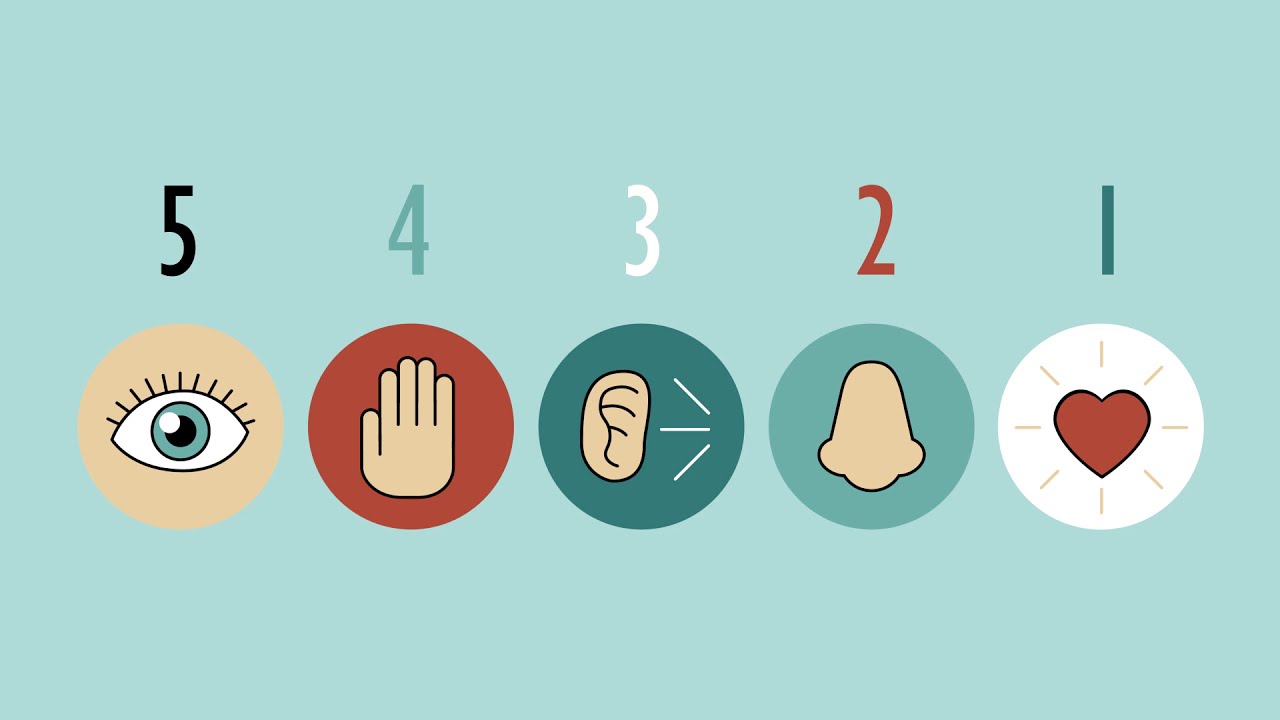
1. Grounding in the Present Moment
One of the hallmarks of trauma is the tendency to relive painful memories. Flashbacks, intrusive thoughts, and constant rumination can make it feel as though the trauma is happening all over again. This can create a cycle of fear and emotional paralysis, making it difficult to move forward.
Mindfulness offers an antidote to this. By focusing on the present moment, individuals can break the cycle of rumination and stop re-living traumatic events. Rather than being carried away by the past or worrying about the future, mindfulness brings individuals back to the “here and now,” where they are safe. This grounding effect is crucial in trauma recovery because it helps individuals regain a sense of control over their own experience.
2. Regulation of the Nervous System
Trauma activates the body’s fight-or-flight response, and for some individuals, this hyper-arousal persists long after the traumatic event. This constant state of heightened alertness can lead to symptoms of anxiety, panic attacks, and hypervigilance.
Mindfulness helps to calm the nervous system. Practices such as mindful breathing or body scans signal to the brain that the danger is no longer present, allowing the body to shift from a state of fight-or-flight into a more relaxed state. Research has shown that mindfulness can lower levels of cortisol, the stress hormone, and promote the production of oxytocin, the “feel-good” hormone that fosters feelings of safety and relaxation.
3. Cultivating Self-Compassion
Many survivors of trauma struggle with self-blame, shame, or guilt, often feeling unworthy of love or healing. Mindfulness helps to develop self-compassion—the ability to treat oneself with kindness and understanding in times of suffering.
Rather than pushing away painful emotions or labeling them as “bad,” mindfulness encourages individuals to embrace their feelings with openness. By fostering a nonjudgmental attitude, mindfulness allows individuals to accept their emotional experiences as part of their healing journey. This acceptance helps to reduce feelings of isolation, as individuals no longer feel that their emotions are something to be hidden or ashamed of.
4. Increasing Emotional Awareness and Acceptance
Trauma often causes emotional numbing or dissociation, where individuals may feel disconnected from their own emotions. Mindfulness, however, helps to increase emotional awareness. By focusing on the present moment and observing emotions without judgment, mindfulness encourages individuals to acknowledge their feelings rather than repress them.
This emotional awareness is a crucial step in healing because it allows individuals to process and integrate their feelings. Rather than avoiding emotions, they can become more attuned to their emotional states, learn to identify and name their feelings, and begin to understand the root causes of those emotions. Over time, this leads to emotional regulation and resilience.
5. Breaking the Cycle of Trauma Responses
Mindfulness can help individuals become aware of and interrupt the automatic trauma responses—such as hypervigilance, avoidance, or dissociation—that often govern behavior after trauma. By learning to observe their thoughts and emotions without getting caught up in them, individuals can create space for more deliberate, thoughtful responses.
For example, someone who has experienced trauma may automatically react with fear or anger when faced with certain triggers. Through mindfulness, they can develop a more measured response, choosing to pause and assess the situation before reacting. This helps break the habitual patterns of trauma responses, allowing individuals to regain agency over their actions and decisions.
6. Promoting a Sense of Safety
Mindfulness practices foster a sense of safety and stability, both internally and externally. Trauma often shatters the sense of safety, making individuals feel on edge or disconnected from their surroundings. Mindfulness allows individuals to reconnect with their environment and their own bodies in a non-threatening way.
Simple mindfulness exercises, such as focusing on the breath or noticing the sensations in the body, can anchor individuals to the present moment, creating a sense of grounding and calm. Over time, these practices help to rebuild trust in one’s own body and environment, making it easier to feel safe again.
7. Integration of Traumatic Memories
A significant barrier to healing from trauma is the inability to integrate the traumatic experience into the larger narrative of one’s life. Traumatic memories can feel disconnected from other life experiences, leading to a fragmented sense of self. Mindfulness facilitates the process of integrating these memories.
By observing thoughts and memories with a nonjudgmental attitude, individuals can slowly begin to process and reframe their traumatic experiences. Rather than being trapped in the pain of the past, individuals can start to see those memories in the context of their entire life, acknowledging the suffering but also the strength and resilience that have emerged from it.

8. Enhancing Interpersonal Relationships
Trauma can have a profound effect on relationships. Survivors of trauma may struggle with trust issues, emotional dysregulation, or difficulty communicating their needs. Mindfulness can enhance interpersonal relationships by improving communication and emotional understanding.
Through mindfulness, individuals learn to listen attentively and respond with empathy. They also become more aware of their emotional triggers and reactions, making it easier to navigate difficult conversations. Over time, mindfulness can help build stronger, more compassionate connections with others, supporting the healing process.
Incorporating Mindfulness into Trauma Recovery
Incorporating mindfulness into trauma recovery doesn’t require a complete overhaul of one’s life. Small, consistent practices can yield significant benefits over time. Here are some practical ways to begin:
1. Mindful Breathing
One of the simplest and most accessible mindfulness techniques is mindful breathing. Focus on the sensation of the breath as it enters and leaves the body. If your mind begins to wander, gently bring it back to the breath. This can be done anytime, anywhere, to help calm the nervous system and re-establish a sense of presence.
2. Body Scan
A body scan is a mindfulness practice that involves slowly bringing awareness to different parts of the body, noticing any tension, pain, or discomfort without judgment. This practice helps to reconnect with the body and release physical tension that may be held due to trauma.
3. Grounding Techniques
Grounding techniques, such as focusing on the sensations of your feet touching the floor or noticing the objects around you, can help individuals stay present and rooted in the moment. These practices are particularly helpful when feeling dissociated or overwhelmed by intrusive thoughts.
4. Mindful Movement
Yoga, Tai Chi, or even a simple walk in nature can be used as mindfulness practices. These activities promote bodily awareness and help release built-up tension. Moving mindfully helps to re-establish a sense of agency in the body, which is often disrupted by trauma.
5. Mindful Self-Compassion
Engaging in self-compassionate practices—such as speaking kindly to yourself, offering affirmations, or practicing self-care—can help nurture emotional healing. Mindful self-compassion reminds individuals that they deserve love and care, even in the midst of pain.
Conclusion
Mindfulness is not a quick fix for trauma, but it provides a powerful framework for healing. By teaching individuals to be present, aware, and compassionate toward themselves, mindfulness offers a pathway to reclaiming control over one’s emotions, thoughts, and body. Over time, mindfulness can help individuals rebuild a sense of safety, integrate painful memories, and foster deeper, more meaningful connections with themselves and others.
While healing from trauma is a complex and deeply personal journey, mindfulness can be a steady, grounding companion along the way. It offers hope and healing through the cultivation of awareness, self-compassion, and presence in the here and now.