






When we eat, it’s not just about what we taste with our tongues—it’s about the whole experience. As we chew, swallow, and savor our food, our sensory systems work together to provide a multi-faceted perception of flavor. While taste is traditionally associated with the five basic senses—sweet, salty, sour, bitter, and umami—the texture of food plays a surprisingly important role in how we perceive these flavors. Texture affects everything from the enjoyment of a meal to the way we judge its freshness or quality.
In this article, we’ll delve into the fascinating relationship between texture and taste perception, looking at how texture influences our sensory experience, emotional responses to food, and even our choice of foods.
Understanding Taste and Texture
Before we explore the complex relationship between texture and taste, let’s define what we mean by these two concepts.
- Taste refers to the sensory experience that occurs when molecules in food or drink interact with taste buds located on the tongue. It’s often classified into five basic categories: sweet, sour, salty, bitter, and umami (savory).
- Texture, on the other hand, refers to the physical properties of food that we perceive through touch, particularly during the act of chewing. This includes the smoothness, crunchiness, chewiness, hardness, or creaminess of food.
While taste is generally recognized as the primary driver of flavor, texture contributes significantly to the overall eating experience. Imagine the difference between biting into a crisp apple versus a soggy one—the flavor may be similar, but the texture alters your perception entirely.
The Sensory Interaction: Texture and Taste
The interaction between texture and taste is more than just a pleasant bonus—it’s a fundamental aspect of how we experience food. When you bite into a food item, your mouth’s mechanical and sensory systems (touch and taste) are activated simultaneously. This integrated process enhances your overall perception of flavor.
For instance, think about the texture of a freshly baked loaf of bread. The crust is firm and crunchy, while the inside is soft and airy. Both textures contribute to the flavor perception, amplifying the enjoyment. The texture works with the taste, making the bread not only delicious but satisfying. A simple change in texture, such as an overly dry or soggy loaf, can drastically alter the way we perceive the flavor, even if the ingredients remain unchanged.
How Texture Affects Flavor Perception
1. Texture Modulates Flavor Intensity
One of the most striking ways texture influences taste perception is by modulating the intensity of certain flavors. For example, foods with a creamy or smooth texture often enhance the perception of sweetness. Think of how ice cream’s velvety texture amplifies its sweetness compared to the same flavor in a harder, crunchy form like a popsicle.
Conversely, a rough, grainy texture can make sourness or bitterness more prominent. The gritty feel of unripe fruit, for instance, can make its tartness seem sharper and more intense, while a smooth texture might soften that bitterness.
2. Texture Contributes to Mouthfeel
“Mouthfeel” refers to the physical sensations food imparts while chewing and swallowing. It includes qualities like creaminess, crunchiness, or stickiness, which significantly influence taste perception.
- Creamy foods, like yogurt or avocado, give a rich, smooth feeling in the mouth. This can enhance umami or sweetness by making them more pronounced. The mouthfeel of fat—such as in butter or oils—can carry the flavors longer, making the taste feel more lingering and satisfying.
- Crunchy or crispy foods, such as chips or raw vegetables, activate the sense of sound as well as texture. The crispy sound often signals freshness and can alter our perception of freshness and taste. A crisp cucumber might taste less bitter or more refreshing due to the pleasant texture.
- Chewy foods, like steak or gummy candies, offer a satisfying sensation but can also influence how long the flavors linger on the palate. For example, chewy foods can make savory or salty tastes more intense as you chew, giving the flavor time to develop fully.
3. Texture Influences Perceived Freshness and Quality
The texture of food can alter our perception of its quality and freshness, which directly impacts taste. Fresh produce, for instance, tends to have a certain crispness or firmness. When food is overripe, dry, or wilted, its texture becomes soft or mushy, which can lead to a diminished perception of its flavor.
- Vegetables like lettuce or celery are perceived as fresh and flavorful when crisp, but lose their appeal when they become soggy or limp.
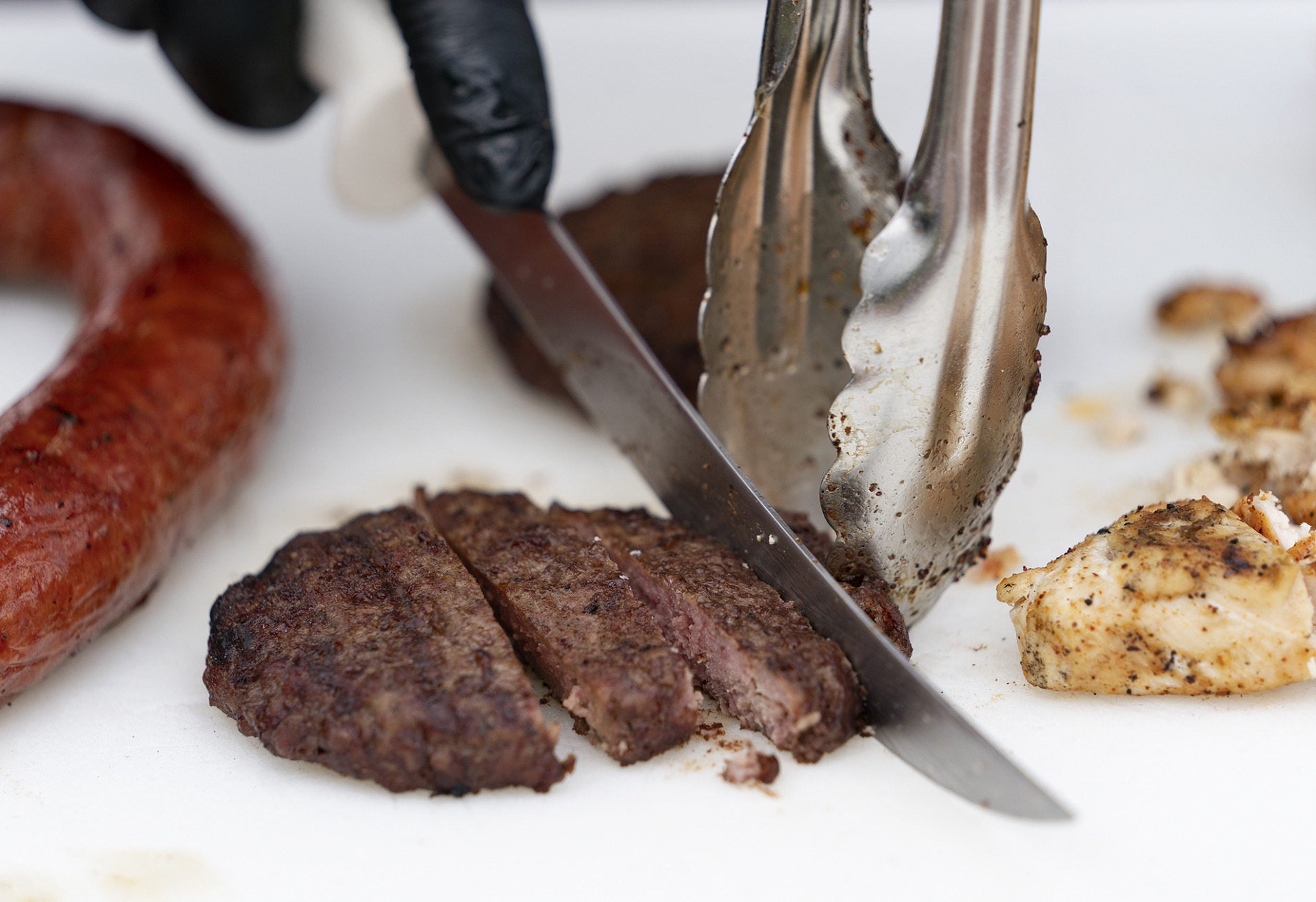
- Meat—when cooked to the right tenderness—can also be perceived as more flavorful. Overcooked or dried-out meat, however, is typically harder to chew and can taste less savory, despite the seasoning used.
In this way, texture is an intrinsic part of how we assess the overall experience of food and whether it meets our expectations.
Texture’s Emotional and Psychological Impact
Beyond the physical effects of texture on taste perception, there are emotional and psychological responses tied to how food feels in our mouth. These sensations can influence our enjoyment and even our choices of food.
1. Comfort Food and Texture
There’s a reason certain textures evoke feelings of comfort—think of a warm, soft chocolate chip cookie or a bowl of creamy mashed potatoes. These foods trigger positive emotional responses through their smooth, soft textures, which are associated with warmth, safety, and nostalgia. The texture becomes part of the emotional experience, further enhancing the enjoyment of the food.
For example, foods with a smooth texture are often associated with indulgence or relaxation. Creamy ice cream, rich soups, or decadent pastries create a sense of satisfaction that goes beyond just taste—they also engage our sense of comfort.
2. Cultural Differences in Texture Preferences
:max_bytes(150000):strip_icc()/beech-mushroom-salad-with-black-vinegar-and-chiles-FT-MAG-RECIPE-0324-79d23e246798461d9b186db581c5d925.jpg)
Texture preferences can vary widely across cultures, influencing how food is enjoyed. In some regions, chewy, sticky textures are highly valued, while in others, light and crisp textures are preferred.
- Asian cuisines, such as sushi or dim sum, often feature a delicate interplay of textures—soft rice, tender fish, and crispy seaweed—creating a complex eating experience.
- Western cuisines may favor crispy or crunchy textures, as seen in the popularity of fried foods, toasted breads, or crunchy snacks.
These preferences not only affect taste but also drive our food choices based on the textures we’re accustomed to.
The Science Behind Texture and Taste Perception
The science behind the texture-taste relationship is rooted in sensory integration. Our brain processes both taste and texture through different neural pathways, but these systems often interact. This makes texture an integral part of the flavor perception process.
1. Mechanoreceptors and Taste Sensation
Mechanoreceptors, which are responsible for detecting touch sensations, play a key role in texture perception. These receptors are sensitive to the pressure, vibration, and movement of food as we chew, sending signals to the brain that help us interpret the food’s texture.
Interestingly, the way we chew also affects how we perceive taste. For example, more chewing can release more volatile compounds in food, enhancing its flavor. A food with a rougher texture may require more chewing, giving the brain more sensory data about the food’s taste and texture.
2. The Role of Saliva
Saliva is another crucial player in how we perceive both texture and taste. It helps break down food and releases soluble molecules that interact with taste receptors on the tongue. A food with a moist, slick texture may help the release of certain flavors, making them taste richer and more intense, while dry or rough-textured foods may hinder flavor release.
Conclusion: The Future of Texture in Taste
The role of texture in taste perception goes far beyond mere surface sensations. Texture modulates flavor, enhances mouthfeel, and deeply influences our overall food experience. Understanding the intricacies of texture’s impact on taste not only has implications for the food industry—where texture optimization is a key part of product design—but it also informs our personal preferences and cultural attitudes toward food.
As we continue to explore the sensory complexities of food, it’s clear that texture will remain a cornerstone of the flavor experience, shaping how we perceive and enjoy the foods we love.