










In the modern world, workspaces have evolved from mere places of business to reflections of personal identity, efficiency, and mental well-being. Amidst this evolution, the minimalist workspace has gained increasing attention as a design philosophy that goes beyond aesthetics. It’s a way to create an environment that fosters productivity, reduces stress, and improves focus. But what are the actual psychological benefits of a minimalist workspace? Let’s dive into the science and psychology behind this design choice.
1. A Clear Space for a Clear Mind
The first and most apparent benefit of a minimalist workspace is the reduction of clutter. When surrounded by excess items—papers, pens, gadgets, and memorabilia—the brain becomes overstimulated, which can lead to feelings of stress and distraction. Psychologically, clutter is linked to a higher cognitive load, which makes it harder for the brain to focus on one task at a time.
A minimalist space, on the other hand, helps declutter the mind. Research has shown that minimalism in design reduces mental fatigue by creating a calm, ordered environment. By limiting distractions, the brain can more effectively focus on the task at hand. This sense of order fosters mental clarity and creativity, leading to more efficient work and problem-solving.
Moreover, having a clutter-free space promotes a sense of control and mastery. This feeling of control can enhance motivation and task initiation—critical factors for success in any professional setting.
2. Stress Reduction and Emotional Well-being
Work-related stress is one of the leading causes of burnout and mental health issues in modern-day professionals. A cluttered workspace often contributes to this stress, creating a sense of chaos that mirrors the disorganization in our minds. Minimalism offers an antidote to this, providing a peaceful environment that promotes relaxation and emotional well-being.
Studies in environmental psychology suggest that aesthetically pleasing spaces can reduce anxiety and improve overall mood. The simplicity of minimalist design—think neutral colors, clean lines, and spaciousness—can have a calming effect. Natural light, plants, and open areas are also commonly incorporated into minimalist workspaces, which further help regulate stress and create a more positive emotional atmosphere.
Furthermore, fewer items in the workspace mean fewer distractions. This contributes to a decrease in cognitive load and emotional overwhelm, leading to greater mental clarity and a reduction in anxiety levels.
3. Enhanced Focus and Productivity
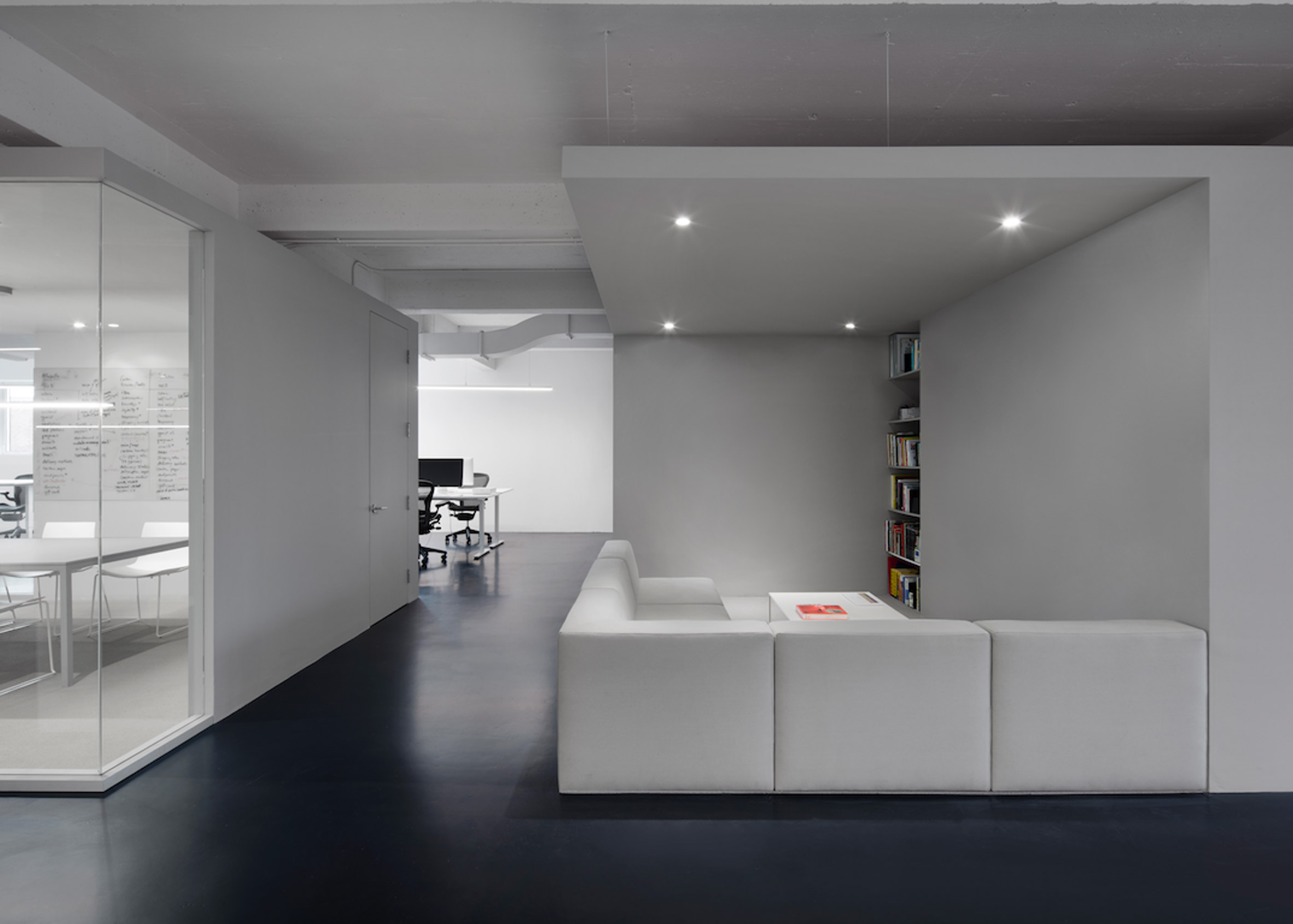
Minimalism directly supports one of the most desired outcomes in any workplace: productivity. In a minimalist workspace, every item has a purpose. There are no extraneous objects vying for attention, which leads to fewer distractions and a higher level of concentration. This focus is key to maintaining productivity, especially in environments where multitasking is common.
Psychologically, when a workspace is simplified, individuals are better able to prioritize important tasks and avoid the temptation to get sidetracked by irrelevant objects or thoughts. The reduction of distractions means the brain doesn’t have to work as hard to filter out noise, enabling a more fluid workflow.
Additionally, having a clutter-free environment allows for better organization. Files, documents, and tools are easy to access when they’re neatly stored and easily identifiable, reducing time spent searching for resources. This streamlined process also reduces mental fatigue, leaving more energy to focus on complex tasks.
4. Boosting Creativity
Creativity often thrives in spaces that are free from external interference. While it may seem counterintuitive, a minimalist workspace can encourage creativity by providing a blank slate. The absence of overwhelming stimuli and distractions allows for mental freedom and original thinking. This aligns with the concept of “mental space”—the idea that creativity is fostered when the mind has room to wander and explore new ideas.
Furthermore, the principles of minimalism—simplicity, clarity, and elegance—are often mirrored in the creative process. Working in a space that embodies these principles can help individuals adopt a similar approach to problem-solving and innovation. Minimalist workspaces often encourage individuals to pare down their ideas and focus on what is truly essential, a skill that is crucial for effective brainstorming and creative thinking.
5. Better Task Prioritization
In a minimalist workspace, the absence of superfluous items helps individuals prioritize their tasks more effectively. With fewer distractions, it’s easier to identify and focus on the most important activities. This is especially important in environments where multitasking is the norm, as it helps reduce the tendency to juggle multiple tasks at once, which can lower the quality of work and cause stress.
Psychologically, this sense of prioritization is supported by the brain’s natural tendency to seek simplicity. Minimalism helps clarify the goals and objectives of a project by eliminating extraneous details. As a result, individuals can more effectively set clear priorities, make decisions with greater ease, and tackle tasks in a systematic manner.
The clarity provided by a minimalist workspace translates to better time management and a greater ability to break down complex projects into manageable chunks. By reducing the overall mental clutter, the brain can focus on completing one task at a time without the overwhelming sense of having too many things on the go.
6. Encouraging Mindfulness and Present-Moment Awareness
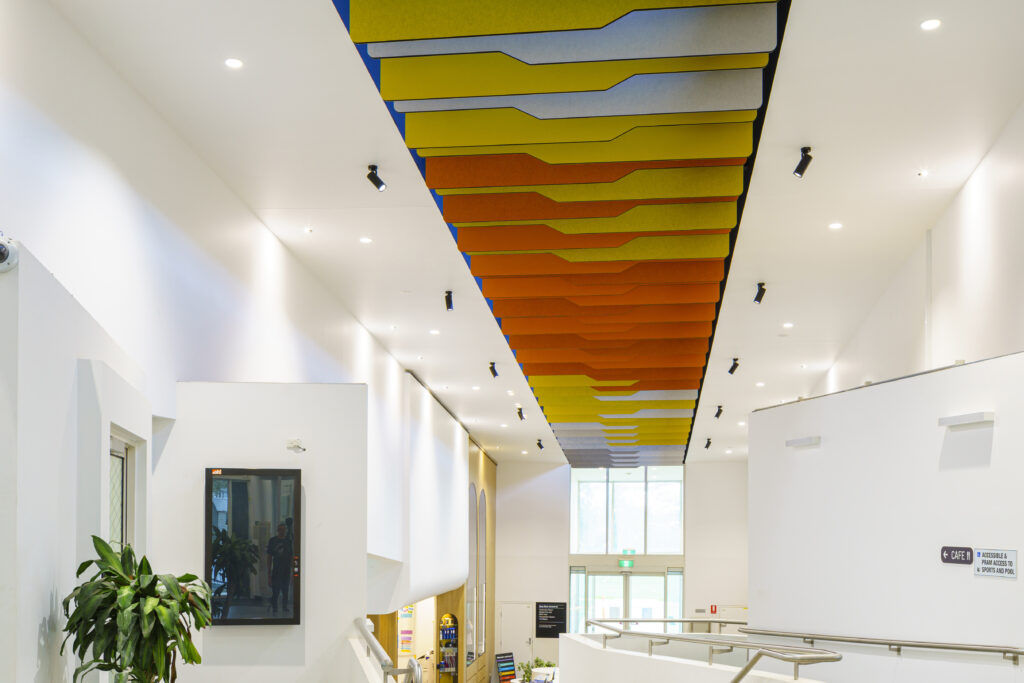
Minimalism and mindfulness go hand in hand. The minimalist workspace encourages individuals to be more present, focusing solely on the task at hand without the distraction of clutter or excessive choices. Mindfulness, which involves being fully engaged in the present moment, has been shown to improve cognitive performance, emotional regulation, and stress management.
When working in a minimalist environment, there’s less pressure to multitask, and more room for intentional work. This allows individuals to fully engage with the present moment, resulting in higher-quality work and a deeper sense of fulfillment.
The physical environment plays a significant role in supporting mindfulness. A minimalist workspace, with its clean lines and open spaces, fosters a calm, focused state of mind—perfect for activities that require deep concentration, such as writing, design, or problem-solving.
7. Simplified Decision-Making
The more decisions you have to make throughout the day, the more mental energy is consumed. A cluttered workspace can increase the number of decisions you need to make, from choosing which papers to attend to first, to navigating a disorganized desk. In contrast, a minimalist workspace streamlines these choices by reducing the number of objects in your environment, making it easier to focus on more important decisions related to your work.
Psychologically, simplifying decision-making leads to reduced cognitive load, allowing for more efficient use of mental resources. When everything has a designated place, you don’t need to waste time making trivial decisions about what to keep or discard. This frees up valuable cognitive energy, which can then be channeled into more significant tasks.
8. Creating a Sense of Harmony
The design principles of minimalism emphasize balance, symmetry, and harmony. When these elements are reflected in the workplace, they promote a sense of peace and equilibrium. A well-designed minimalist workspace, with its clean lines and open spaces, creates a visually soothing environment. The sense of balance extends beyond the physical environment to the psychological state of the individual, leading to increased feelings of well-being.
Moreover, minimalist workspaces often incorporate elements of nature—such as plants, natural light, and natural materials—that can further enhance the sense of harmony. These elements are not only aesthetically pleasing but also contribute to psychological well-being, fostering a greater sense of connection to the natural world and promoting relaxation.
9. The Sense of Accomplishment
A minimalist workspace also promotes a greater sense of accomplishment. By reducing distractions and focusing on what is essential, individuals often experience a more streamlined and efficient work process. Completing tasks in a clear and organized space provides a tangible sense of achievement.
Moreover, the act of organizing and curating your workspace itself can be a satisfying accomplishment. The process of decluttering—whether through tidying your desk or simplifying your workflow—can have a positive psychological impact, leaving you with a sense of control and a tangible sign of progress.
10. Long-Term Sustainability
The psychological benefits of a minimalist workspace are not limited to short-term effects. Over time, the principles of minimalism can lead to lasting improvements in mental clarity, focus, and overall well-being. The long-term impact of working in a minimalist environment can result in higher levels of job satisfaction, a stronger sense of mental resilience, and improved coping mechanisms for handling stress.
Additionally, a minimalist approach often leads to sustainable habits—such as prioritizing meaningful tasks, reducing unnecessary consumption, and organizing work in a way that promotes long-term efficiency. These habits can carry over into other aspects of life, contributing to a more intentional and fulfilling lifestyle.
Conclusion: The Power of Minimalism in the Workplace
In a world that constantly demands more from us, a minimalist workspace offers a sanctuary of clarity, calm, and creativity. By reducing distractions and simplifying decision-making, a minimalist environment helps individuals perform at their best, both mentally and emotionally. The psychological benefits of minimalism—stress reduction, enhanced focus, and increased productivity—are just a few of the reasons why more people are embracing this design philosophy in their workspaces.
By creating a clear, organized, and harmonious environment, we not only improve our productivity but also promote our well-being. In the end, a minimalist workspace is not just about the objects we choose to keep—or discard—it’s about creating the mental space necessary to thrive in an increasingly complex world.